
Introduction to Homemade White Bread
When you’re juggling career deadlines and social commitments, finding the time to whip up a homemade meal can feel overwhelming. However, this homemade white bread recipe is a game-changer for busy professionals. Imagine coming home after a long day to the comforting aroma of freshly baked bread wafting through your kitchen. Not only does homemade bread elevate your meals, but it also offers a satisfying sense of accomplishment.
Making white bread at home allows you to use fresh, wholesome ingredients, avoiding preservatives and additives often found in store-bought options. Plus, baking your own bread can be a therapeutic ritual, giving you a chance to unwind after a hectic day. According to studies, engaging in such hands-on activities can significantly reduce stress, anchoring you back to the simple joys of life.
And let's not forget the versatility of homemade white bread! Whether you’re slapping together a turkey bacon sandwich for lunch or simply toasting a slice for breakfast, the rich flavor and soft texture can elevate any meal. With just a few basic ingredients—yeast, flour, milk—you can master the art of homemade bread and impress family and friends alike.
For the full printable recipe, read our detailed section on Homemade White Bread Recipe.
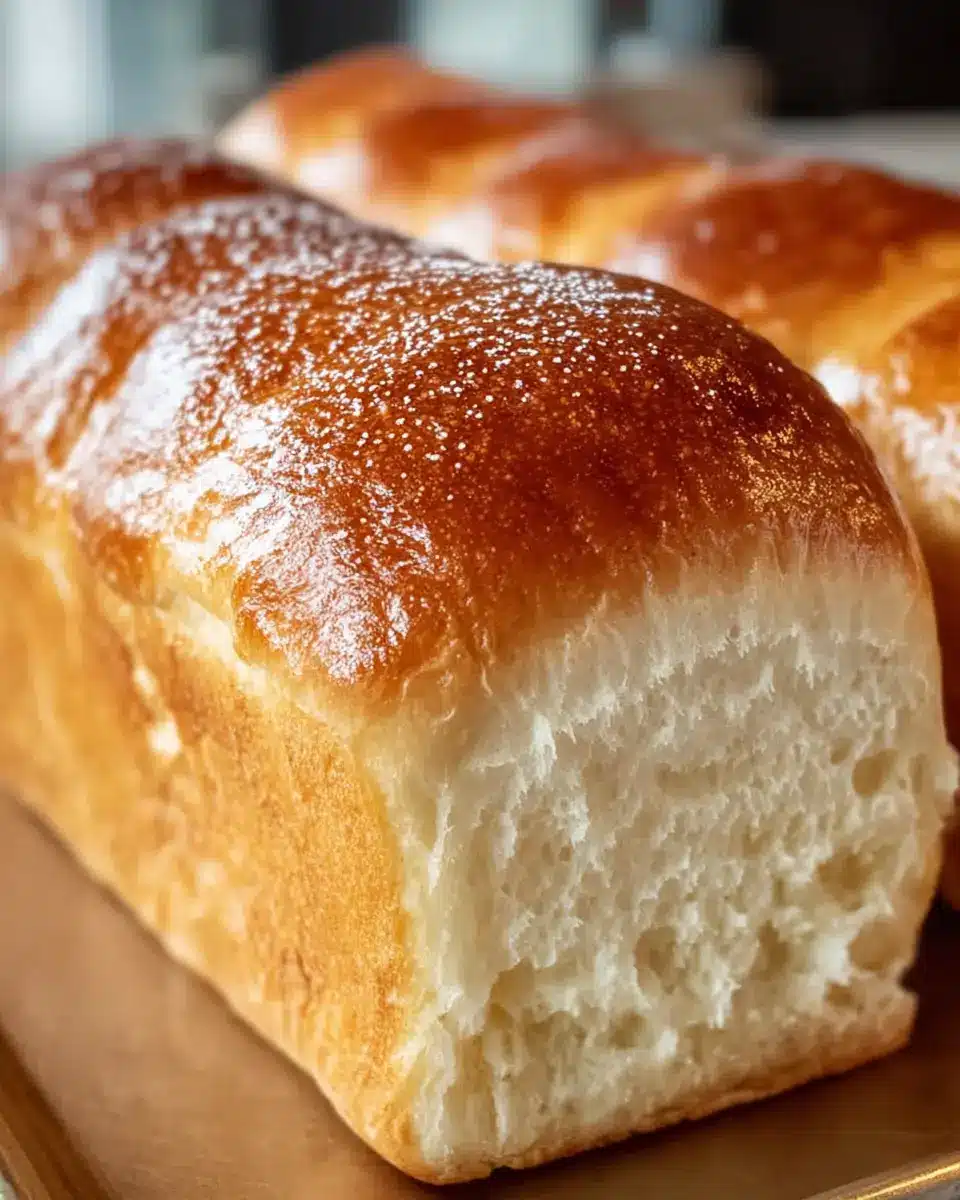
Ingredients for Homemade White Bread
Essential ingredients you need for a perfect loaf
Creating your homemade white bread recipe starts with a few simple ingredients that come together to make something truly delightful. Here’s what you need:
- Yeast Mixture:
- 1 cup warm water (110°F / 43°C)
- 2 ¼ teaspoons active dry yeast (equivalent to one packet)
- 2 tablespoons granulated sugar
The warm water and sugar activate the yeast, giving your bread that lovely rise.
- Dough Base:
- 3 cups all-purpose flour (or bread flour for extra chewiness)
- 1 ½ teaspoons salt
- 2 tablespoons unsalted butter, softened
- ½ cup warm milk
The all-purpose flour provides the structure, while the butter and milk contribute to the rich, fluffy texture that makes white bread so irresistible.
By carefully selecting these ingredients, you'll set the foundation for a soft and delicious loaf that's perfect for sandwiches, toast, or simply savoring with butter. For more tips on ingredient selection, check out King Arthur Baking for expert insights. Happy baking!
Preparing Homemade White Bread
Making your own homemade white bread can feel like a warm hug on a chilly day. With just a handful of simple ingredients, you’ll create a fluffy loaf that’s perfect for sandwiches, toast, or just slathering with butter. Let’s walk through the process, step by step.
Activate the Yeast Mixture
First things first: yeast is your best friend in this recipe. In a large mixing bowl, combine 1 cup of warm water (around 110°F / 43°C is just right), 2 ¼ teaspoons of active dry yeast, and 2 tablespoons of granulated sugar. Allow the mixture to sit for about 5 to 10 minutes until it becomes foamy. This foam means your yeast is activated and ready to work its magic! For a bit more information on yeast activation, you can check out this helpful guide from King Arthur Baking.
Combine and Mix the Ingredients
Once your yeast is bubbling with excitement, it’s time to get mixing. Add 3 cups of all-purpose flour, 1 ½ teaspoons of salt, 2 tablespoons of softened butter, and ½ cup of warm milk to the yeast mixture. Stir until the ingredients come together to form a cohesive dough.
Knead the Dough to Perfection
Now for the fun part: kneading! This step is crucial for developing gluten, which gives the bread its wonderful texture. Knead the dough by hand on a floured surface or use a stand mixer for about 8 to 10 minutes until it’s smooth and elastic. Don't rush this step—each knead is a step closer to homemade white bread heaven!
First Rise – Patience is Key
After kneading, place the dough in a lightly greased bowl, cover it with a damp cloth, and stash it in a warm spot. Let it rise for about 1 hour, or until it doubles in size. This is where the magic happens—trust the process!
Shape the Dough for the Second Rise
Once the dough has risen beautifully, it’s time to shape it. Gently punch it down to release any air bubbles and then mold it into a loaf shape. Place it into a greased 9×5-inch loaf pan and let it rise again for another 30 minutes. It might feel like the dough is taking its sweet time, but good things come to those who wait!
Baking – The Moment of Truth
Preheat your oven to 375°F (190°C). When you're ready, pop your loaf in the oven and bake for 30 to 35 minutes. Keep an eye on it; when the crust turns a lovely golden brown and sounds hollow when tapped, it’s ready to come out.
Cooling the Bread for the Best Texture
Ah, the final step! Remove the bread from the pan and let it cool completely on a wire rack. I know it’s tempting to slice into it right away, but waiting allows the steam to escape, ensuring that your bread has the perfect texture.
Enjoy your homemade creation, and don’t forget to share it with friends and family—after all, homemade bread tastes even better when enjoyed together! For more tips, feel free to explore this article on bread-making from Bon Appétit. Happy baking!
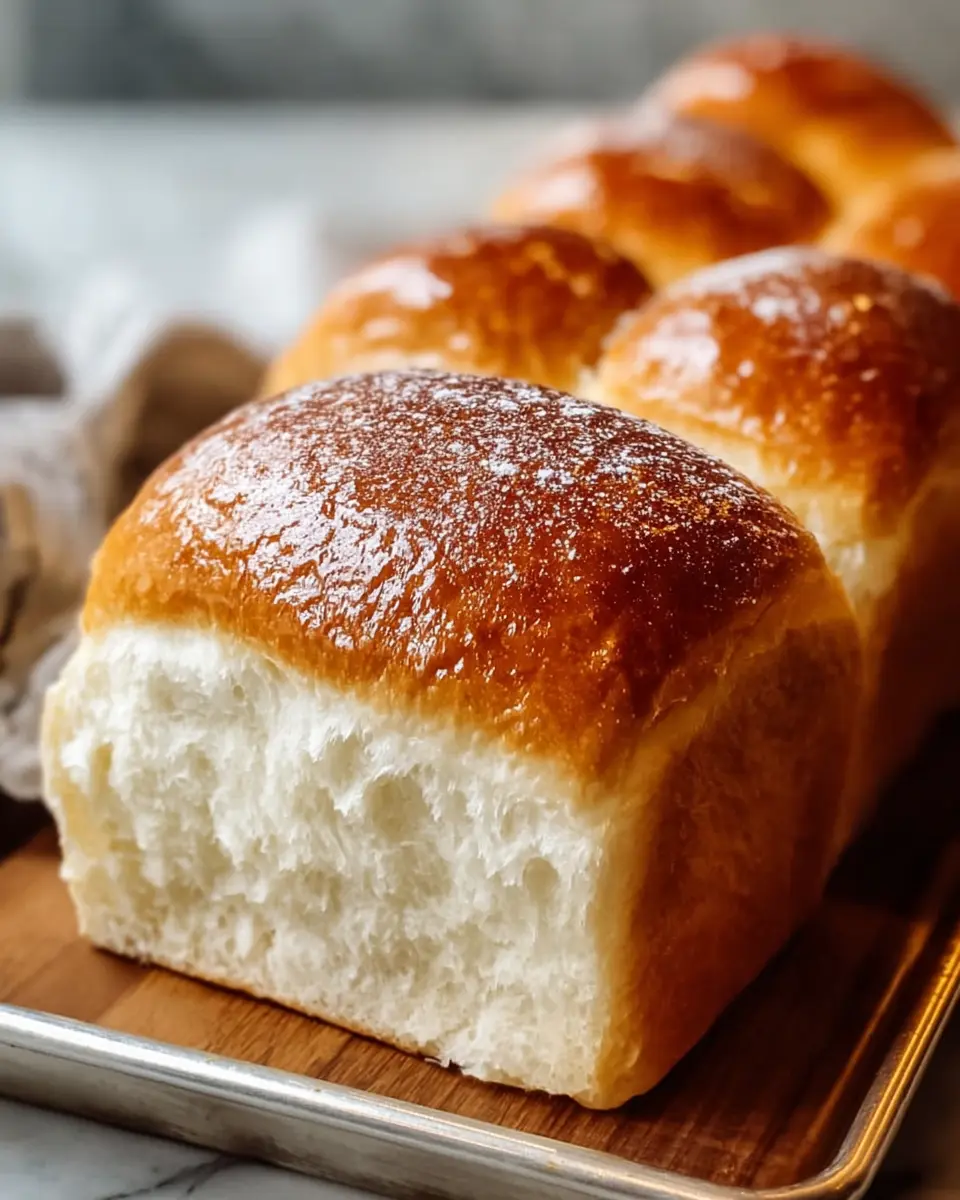
Variations on Homemade White Bread
Whole Wheat White Bread
Looking to boost the nutritional value of your homemade white bread recipe? Consider incorporating whole wheat flour! By substituting half of the all-purpose flour with whole wheat, you’ll enjoy a heartier texture and added fiber without sacrificing the classic taste. This variation still yields a soft loaf, making it perfect for sandwiches or toast. Be sure to adjust the liquid slightly since whole wheat flour absorbs more moisture.
Herb-Infused White Bread
Want to elevate the flavor profile? Try making an herb-infused white bread. Add fresh or dried herbs like rosemary, thyme, or oregano to the dough during mixing. These herbs bring a delightful aroma and complement your slices beautifully, whether you’re enjoying them warm with butter or as a base for gourmet sandwiches. It’s a simple way to impress guests at dinner!
For more ideas on how to customize your bread, check out this guide on Flavoring Bread. The possibilities are endless!
Cooking Tips and Notes for Homemade White Bread
Ensuring the Yeast is Active
The first step in your homemade white bread recipe is critical: ensuring your yeast is active. Combine warm water (110°F/43°C), active dry yeast, and granulated sugar, then let it sit for about 5 to 10 minutes. If you see bubbles forming, congratulations! Your yeast is alive and ready to work its magic. If not, it might be time to start over with fresh yeast.
Importance of Kneading and Rising Times
Kneading the dough is where the gluten develops, giving your bread that perfect texture. Aim for 8 to 10 minutes of kneading until the dough is smooth and elastic. Equally important are the rising times; allowing the dough to rise twice ensures air pockets form, leading to a light and airy loaf. Patience pays off here!
For an added layer of understanding on the yeast activation process, check out this detailed guide on yeast and bread making. Knowing how each step impacts your final product will empower you to bake with confidence!
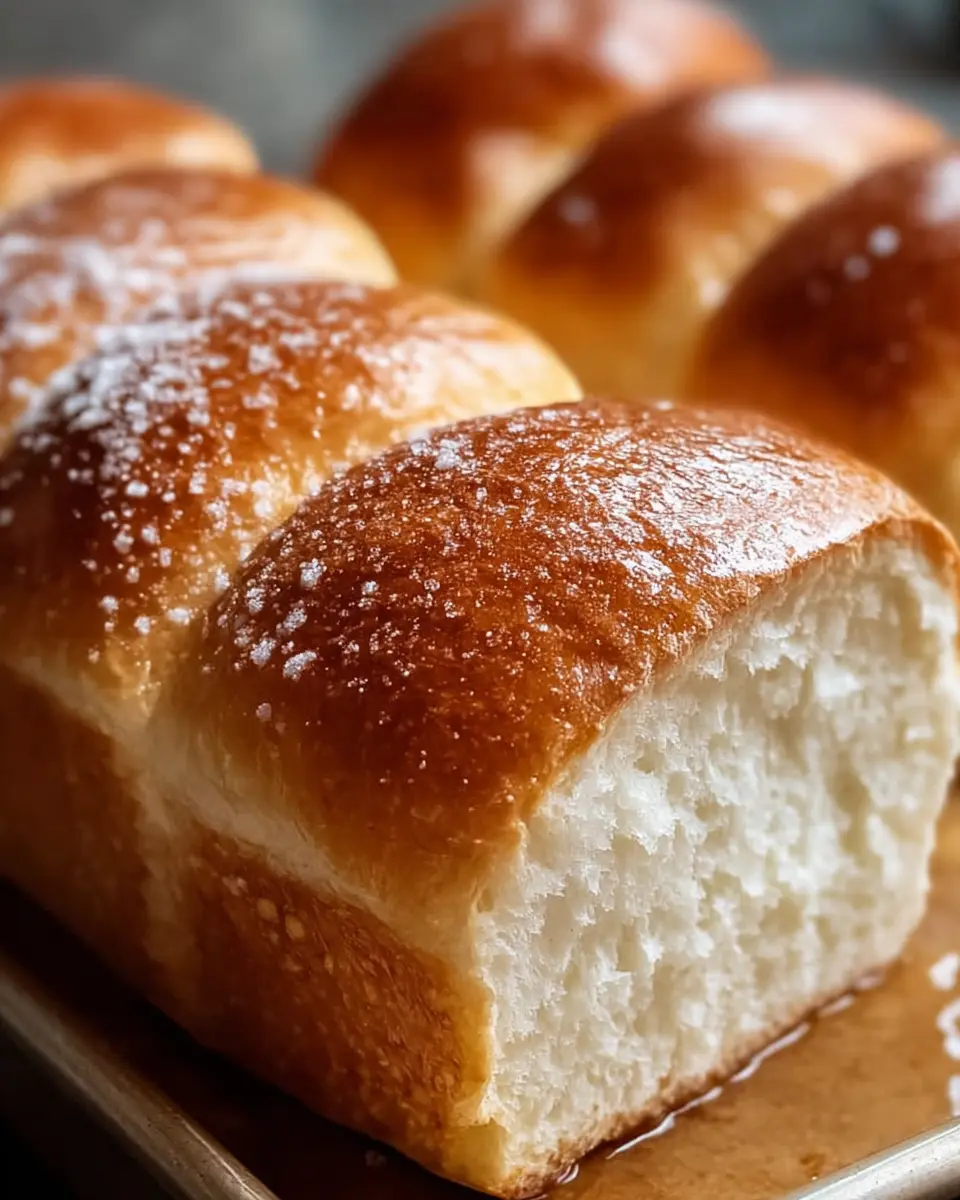
Serving Suggestions for Homemade White Bread
Perfect Toppings and Spreads
The homemade white bread recipe you've just made is a blank canvas for delightful toppings. Consider spreading a generous layer of creamy butter and sprinkling some sea salt for a luxurious treat. For a sweet option, try whipped honey butter or a dollop of fruit preserves. If you're leaning toward savory, cream cheese with herbs or a classic peanut butter and banana will take your toast to new heights.
Pairing Ideas for Sandwiches
Transform your homemade white bread into crowd-pleasing sandwiches! Start with layers of turkey bacon or chicken ham, then add fresh veggies like spinach, tomatoes, and avocados. For a twist, pair your bread with a homemade pesto or mustard spread. Don't forget that cheese brings everything together—try sharp cheddar or creamy mozzarella for the perfect texture and flavor combination.
For more inspiration, explore top sandwich ideas on Bon Appétit. Happy creating!
Time Breakdown for Homemade White Bread
Creating a delicious loaf of homemade white bread requires a bit of time, but trust me, it’s well worth the wait! Here's a breakdown to keep you organized:
Preparation Time
Spend about 20 minutes gathering your ingredients and mixing the dough. This step is quick and sets the foundation for your fluffy loaf.
Rising Time
You'll need approximately 1 hour for the first rise plus 30 minutes for the second. This is when the magic happens, allowing the yeast to work its wonders and your dough to double in size.
Baking Time
Pour yourself a cup of coffee because the baking process will take 30 to 35 minutes. You’ll want to keep an eye on it until that lovely golden crust forms!
Total Time
In total, you’re looking at about 2 hours and 20 minutes from start to finish. Most of that time is simply letting the dough rise and bake, allowing you to take care of other tasks or just relax.
For a deeper dive into the ins and outs of bread-making, check out resources from The Kitchn or King Arthur Baking. Happy baking!
Nutritional Facts for Homemade White Bread
Understanding the nutritional value of your homemade delights can enhance your culinary experience. Let's explore the key nutritional facts of this homemade white bread recipe:
Calories per Slice
A slice of this delicious homemade white bread contains around 80 calories. This makes it a great base for various toppings or fillings without too much guilt!
Carbohydrates
Each slice packs approximately 15 grams of carbohydrates. These carbohydrates provide a quick energy boost, perfect for those busy mornings or afternoon snacks.
Protein Content
With 2 grams of protein per slice, this white bread gives you a modest amount of protein to complement your meals. Pair it with some nut butter or avocado for an extra protein punch!
For a deeper dive into nutritional insights and the benefits of homemade bread, consider checking out resources from Healthline or the USDA FoodData Central. Enjoy your baking journey!
FAQs about Homemade White Bread
Why is my bread dense?
A dense loaf can be frustrating! Often, it’s due to not enough kneading, which limits gluten development. Make sure to knead your dough for about 8 to 10 minutes until it feels smooth and elastic. Additionally, using stale or expired yeast can impact your bread’s texture. Always check the expiration date on your yeast! For more tips on getting that perfect rise, you can check resources like King Arthur Baking.
How do I store homemade white bread?
To keep your homemade white bread fresh, store it in a cool, dry place. Wrap it in plastic wrap or place it in an airtight container to maintain moisture. For longer storage, keep it in a bread box or a cloth bread bag that allows some airflow but prevents drying out.
Can I freeze this bread?
Absolutely! Freezing your homemade white bread is an excellent way to extend its shelf life. Once completely cooled, wrap individual slices or the whole loaf tightly in plastic wrap and then in aluminum foil. This method can keep your bread fresh for up to three months. When you're ready to enjoy it again, simply thaw at room temperature or toast slices directly from the freezer!
Conclusion on Homemade White Bread
In summary, this homemade white bread recipe results in a delightful loaf that's perfect for any occasion. With its soft texture and golden crust, it’s ideal for sandwiches or simply enjoying with butter. Embrace the art of bread-making and enjoy the warm satisfaction of baking at home!

Homemade White Bread Recipe
Equipment
- Mixing Bowl
- stand mixer
- loaf pan
- wire rack
Ingredients
Yeast Mixture
- 1 cup warm water 110°F / 43°C
- 2 ¼ teaspoons active dry yeast 1 packet
- 2 tablespoons granulated sugar
Dough
- 3 cups all-purpose flour or bread flour
- 1 ½ teaspoons salt
- 2 tablespoons unsalted butter softened
- ½ cup warm milk
Instructions
Preparing the Bread
- Activate the Yeast: In a large mixing bowl, combine the warm water, active dry yeast, and granulated sugar. Let the mixture sit for 5 to 10 minutes until it becomes foamy, indicating the yeast is proofed and active.
- Mix the Dough: Add the flour, salt, softened butter, and warm milk to the yeast mixture. Stir until all ingredients are well combined to form the dough.
- Knead the Dough: Knead the dough by hand or using a stand mixer for 8 to 10 minutes until the dough is smooth and elastic in texture.
- First Rise: Place the dough in a greased bowl, cover it with a damp cloth, and let it rise in a warm place for about 1 hour, or until it has doubled in size.
- Shape & Second Rise: Gently punch down the dough to release air, then shape it into a loaf. Place the shaped dough into a greased 9×5-inch loaf pan and allow it to rise for an additional 30 minutes.
- Bake the Bread: Preheat your oven to 375°F (190°C). Bake the loaf for 30 to 35 minutes, or until the crust is golden brown and the bread sounds hollow when tapped.
- Cool & Serve: Remove the bread from the pan and transfer it to a wire rack. Let it cool completely before slicing to maintain the texture and prevent crumbling.




Leave a Reply