
Introduction to Delicious Filipino Ginataang Bilo-Bilo
What is Ginataang Bilo-Bilo and Why is it a Cozy Dessert Choice?
Delicious Filipino Ginataang Bilo-Bilo is a warm, comforting dessert that’s perfect for chilly evenings or any time you need a little pick-me-up. At its core, this delightful dish combines glutinous rice balls with a creamy coconut base, showcasing a colorful medley of fruits and root vegetables. The luscious texture of the coconut milk, paired with the chewiness of the rice balls, offers a comforting experience that feels like a warm hug in a bowl.
What makes Ginataang Bilo-Bilo especially appealing is its versatility. You can customize it with your favorite fruits like sweet bananas or rich purple yam, creating a unique treat each time. This dish is not just a dessert; it’s a celebration of Filipino culture, often enjoyed during gatherings and family occasions.
Picture this: a cozy evening, a warm bowl of Ginataang Bilo-Bilo in hand, and your loved ones gathered around—what a perfect way to bond! If you're intrigued and want to dive into this comforting recipe yourself, continue on to discover how to create your own batch of this exquisite treat. Trust us; your taste buds will thank you!
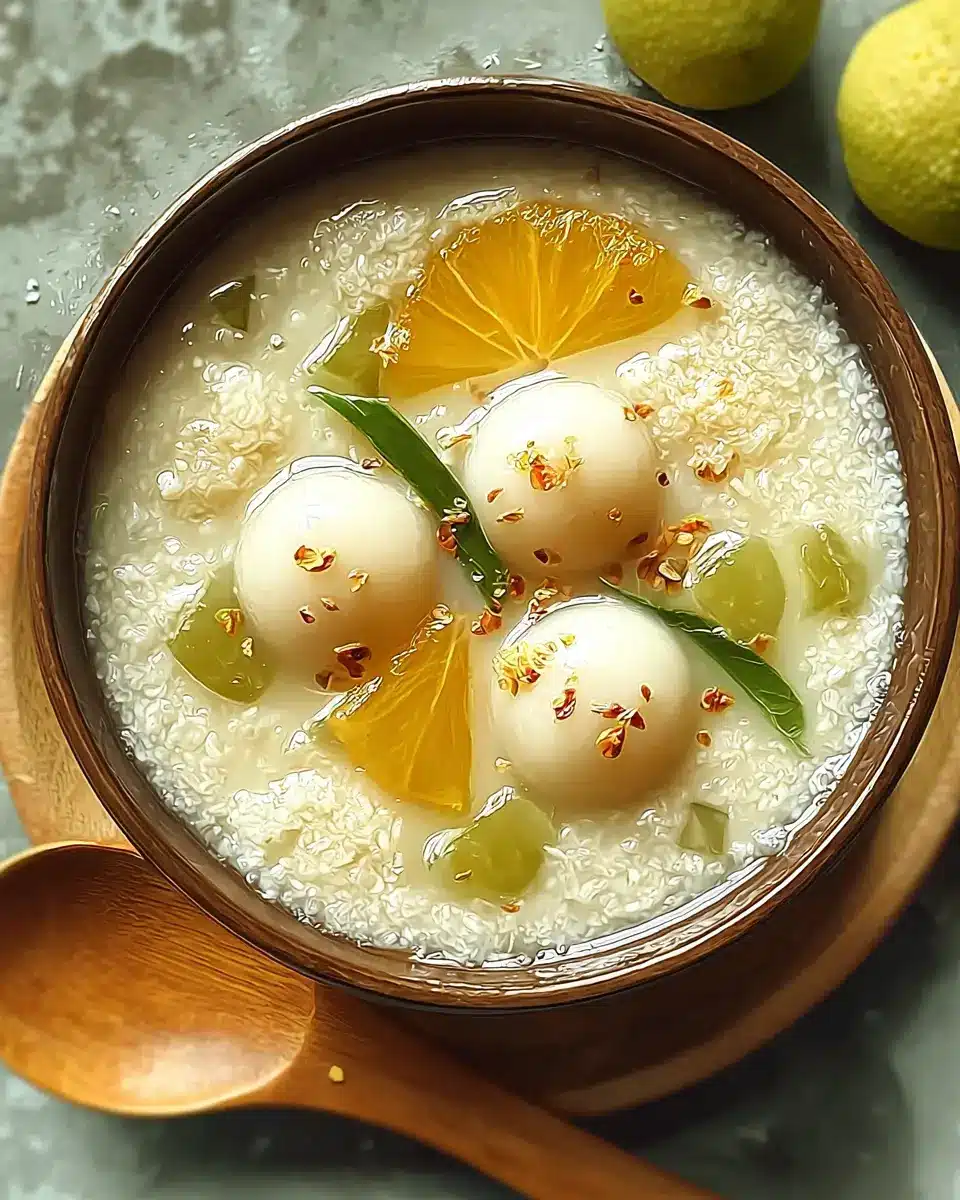
Ingredients for Filipino Ginataang Bilo-Bilo
When it comes to making Delicious Filipino Ginataang Bilo-Bilo, gathering the right ingredients is essential for achieving that rich and comforting flavor. Here’s a breakdown of what you'll need to whip up this delightful dessert.
Essential Ingredients for the Rice Balls
- 1 cup Glutinous Rice Flour: This is the backbone of your rice balls, providing the chewy texture that’s so loved in this dish. If you can’t find glutinous flour, regular rice flour works in a pinch, but it won’t quite have the same chewiness.
- ½ cup Water: Adjust the quantity depending on the flour’s absorbency—keep testing until you achieve a soft dough.
Key Components for the Coconut Base
- 2 cups Coconut Milk: The heart of Ginataang Bilo-Bilo, imparting creamy richness; if you need a lighter option, unsweetened almond milk can help you out.
- ½ cup Coconut Cream: Adds an extra layer of creaminess; heavy cream can substitute if necessary.
- ½ cup Sugar: This sweetens the mix for that comforting flavor—consider trying honey or maple syrup for a twist.
- 1 teaspoon Salt: A crucial ingredient to balance all that sweetness and enhance the flavors.
Fruits and Vegetables to Enhance the Dish
- 2 pieces Bananas or Plantains: These add sweetness and a lovely texture; mango can substitute if you're in the mood.
- 1 cup Sweet Potato: This will provide a naturally sweet flavor; butternut squash is a fine alternative as well.
- 1 cup Purple Yam (Ube): A traditional choice for its unique color and taste; regular yam can also do if you prefer.
- 1 cup Taro: Known for its earthy flavor; you can use regular potatoes as a more common substitute.
- 1 cup Jackfruit: Adds a fun tropical note; any soft tropical fruit will work for a unique flavor profile.
Gathering these ingredients will set you on the right path to enjoying a cozy bowl of the Delicious Filipino Ginataang Bilo-Bilo. Happy cooking! For more tips on Filipino cuisine, check out Kawaling Pinoy – a great resource for authentic recipes!
Preparing Delicious Filipino Ginataang Bilo-Bilo
Creating a cozy atmosphere at home is all about indulging in comforting flavors, and Delicious Filipino Ginataang Bilo-Bilo embodies that perfectly! This traditional Filipino dessert, rich in coconut goodness and filled with the unique textures of rice balls and various fruits and vegetables, can easily warm your heart and your home during chilly evenings. Let’s dive into the delightful steps of making this comforting dish.
Create the Rice Balls
To start your adventure in crafting Ginataang Bilo-Bilo, gather your glutinous rice flour and water. In a mixing bowl, combine 1 cup of glutinous rice flour with ½ cup of water, stirring until a soft dough forms. This dough will be the heart of your dish! Shape the mixture into small marble-sized balls—about the size of a cherry. Once formed, cover the rice balls with a damp cloth to keep them moist while you prepare the next steps.
Prepare the Creamy Coconut Base
In a heavy-bottomed pot, employ a gentle hand as you heat 2 cups of coconut milk, ½ cup of coconut cream, ½ cup of sugar, and 1 teaspoon of salt together over medium heat. Stir frequently until the sugar is completely dissolved. This step is crucial as it creates the sweet and creamy base that all the other ingredients will dance in. Are you aware that coconut milk is not just delicious but also provides a wealth of health benefits? It's rich in nutrients and can even support heart health and weight management. For more information on the benefits of coconut milk, check out this article from Healthline.
Add the Vegetables to Simmer
Once your coconut mixture is harmoniously blended, it's time to introduce the vegetables. Cut sweet potatoes, purple yam (ube), and taro into cubes. Add them to the simmering pot, allowing them to cook for about 10-12 minutes. You want these veggies to be tender and perfectly infused with coconut flavor. Not only do they add an inviting color to the dish, but they also provide great texture and sweetness.
Incorporate the Rice Balls
Now comes the fun part! Carefully drop your prepared rice balls into the simmering pot. Make sure to stir gently to prevent them from sticking to the bottom. You’ll notice something exciting: after about 5-7 minutes, the rice balls will start to float! This means they’re cooked and ready to be mixed with the other ingredients.
Mix in Fruits and Finish Cooking
To elevate this Delicious Filipino Ginataang Bilo-Bilo, add in banana slices and jackfruit. Let the mixture simmer together for another 5-7 minutes, allowing all the flavors to mingle delightfully. Finally, stir in the coconut cream and let it cook on low heat for another 5 minutes. If you find you want a bit more sweetness, feel free to adjust with extra sugar or an alternative sweetener like honey. Once everything is well-combined and warmed through, serve it up warm and enjoy the cozy ambiance it creates!
This dish is not only comforting but also a beautiful way to share a taste of the Philippines right at home. So grab your loved ones and enjoy this delightful dessert together!
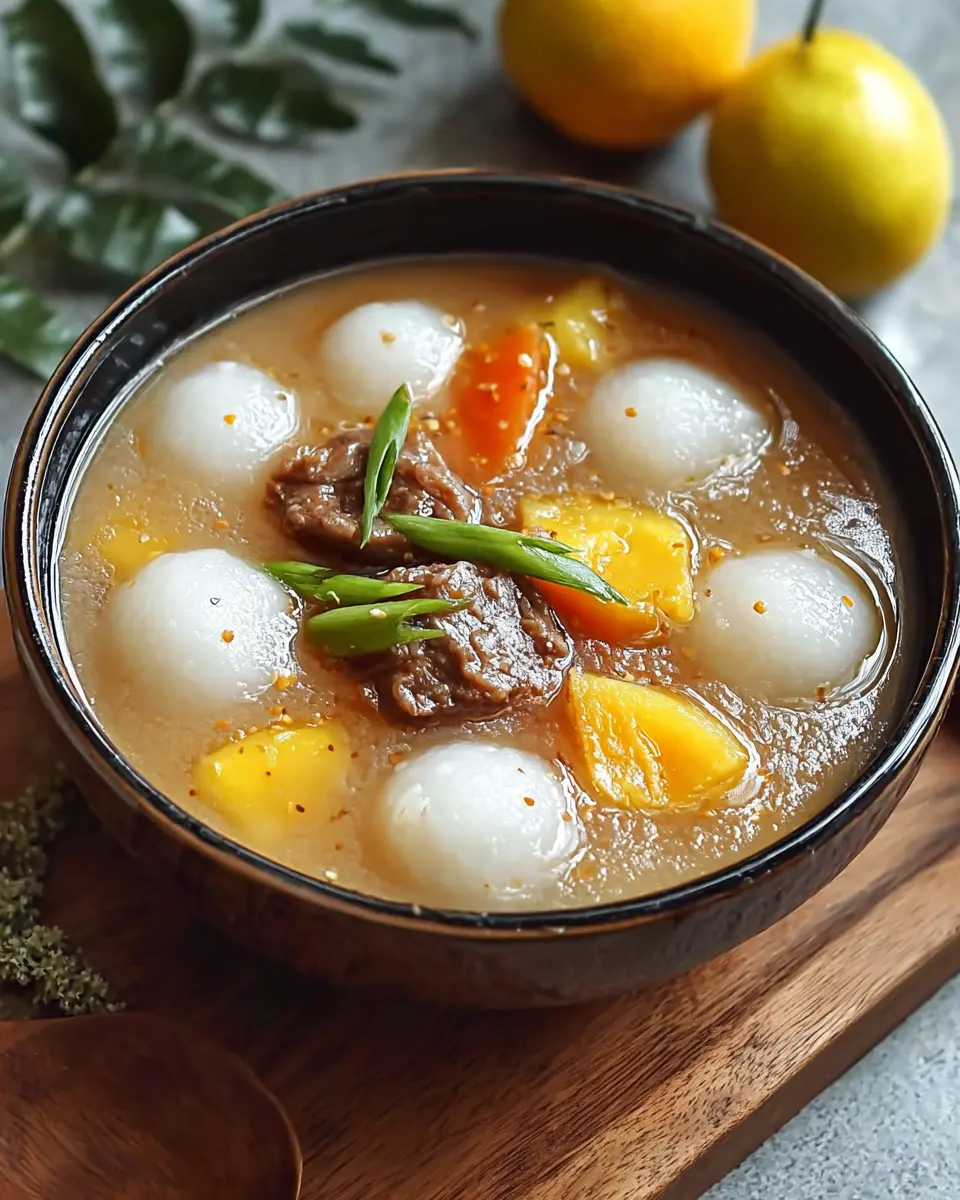
Variations on Filipino Ginataang Bilo-Bilo
Alternative Fruits and Vegetables for a Unique Twist
Enhancing your Delicious Filipino Ginataang Bilo-Bilo can be as simple as swapping out traditional ingredients! Consider using:
- Mango instead of bananas for a tropical twist.
- Butternut squash as an alternative to sweet potatoes, providing a rich flavor.
- Tropical fruits like cooked jackfruit or pineapple for an unexpected sweetness.
These substitutions not only keep your dish exciting but can also tailor it to your tastes or what you have on hand.
Dairy-Free and Healthier Variations
For those seeking a lighter or dairy-free version of this beloved dessert, there are great options!
- Replace coconut milk with unsweetened almond milk or any nut milk for a lower-calorie alternative.
- Use maple syrup or agave nectar instead of sugar for a healthier sweetener choice.
These tweaks ensure you still get that comforting feeling but with a modern and health-conscious twist! Don't hesitate to explore your creativity while making Ginataang Bilo-Bilo. Adjusting ingredients to suit your dietary needs can yield delicious results.
Cooking tips and notes for Filipino Ginataang Bilo-Bilo
Preventing rice balls from sticking
To keep your Delicious Filipino Ginataang Bilo-Bilo rice balls from sticking together, it's essential to stir them gently after adding them to the pot. Also, ensure your water-to-flour ratio is just right—aim for a dough that is neither too dry nor too wet. Laying the rice balls on a lightly floured surface and covering them with a damp cloth while cooking can also help keep them moist and manageable.
Adjusting sweetness to taste
Taste is personal, so don’t hesitate to adjust the sweetness in your Ginataang Bilo-Bilo. After you’ve mixed in the coconut cream, try a spoonful; if it's not sweet enough, you can easily add more sugar, honey, or maple syrup to match your preference. Remember, starting with less is a smart move—you can always add more, but you can’t take it out!
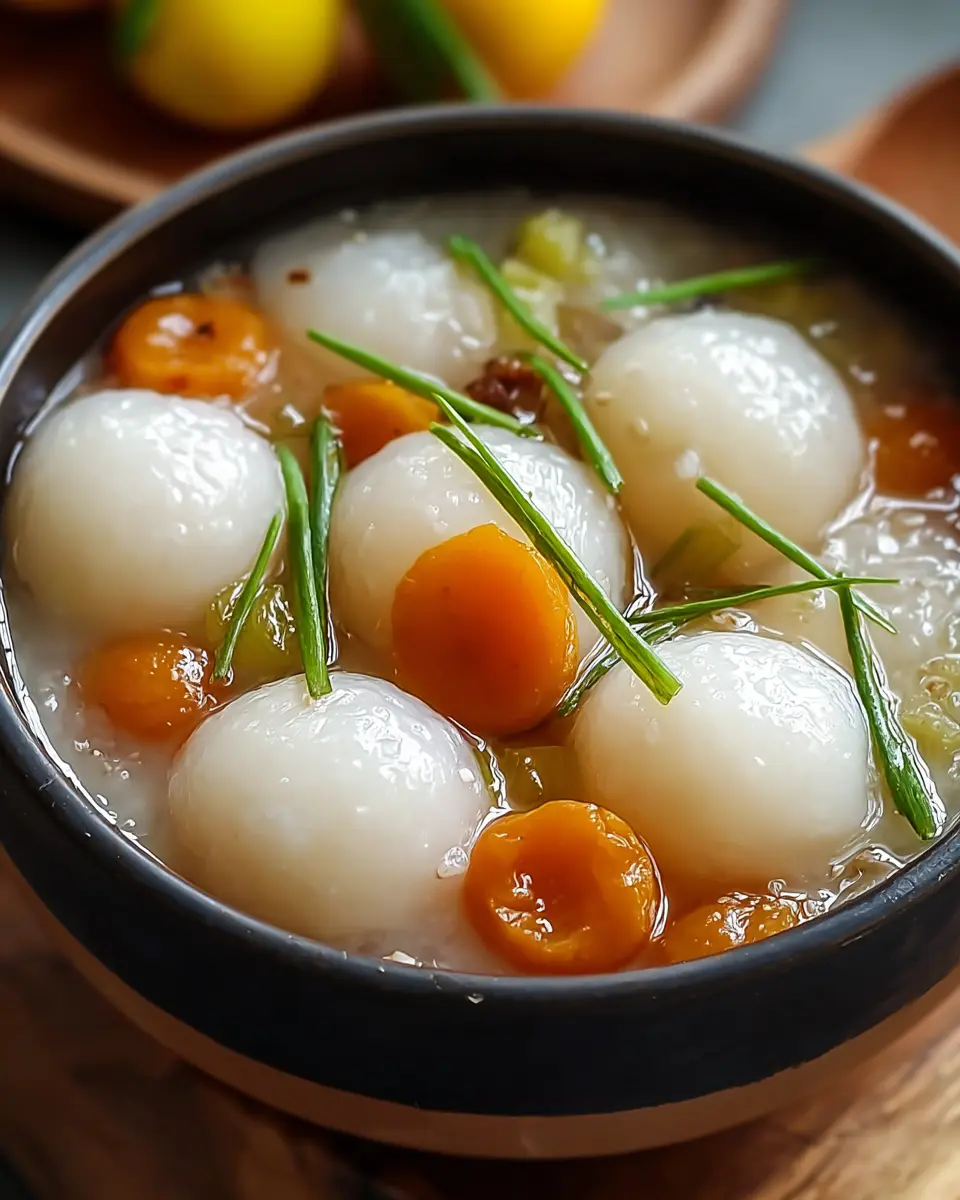
Serving Suggestions for Filipino Ginataang Bilo-Bilo
Best ways to present and serve
When serving Delicious Filipino Ginataang Bilo-Bilo, presentation matters! Use deep bowls to emphasize the delightful layers of color from the sweet potatoes, purple yam, and fruits. Garnish with toasted coconut flakes for a crunchy contrast. Consider adding a sprinkle of crushed nuts on top for an extra textural element. Warm servings on a chilly evening bring an inviting coziness—perfect for gatherings or quiet nights in.
Pairings that complement the dish
Enhance your dessert experience by pairing it with hot or iced coffee for a warm-cool balance. Those who wish to try something more adventurous can accompany it with a side of turkey bacon or chicken ham. Both options provide a savory contrast to the sweetness of the ginataang bilo-bilo. For an authentic Filipino touch, serve it with pandan tea or coconut water—perfect for sipping as you savor your delicious dessert!
For more exciting pairing ideas, check out this guide on dessert pairings.
Time breakdown for Filipino Ginataang Bilo-Bilo
Planning to indulge in Delicious Filipino Ginataang Bilo-Bilo? Here’s a quick breakdown to help you manage your time effectively:
Preparation time
15 minutes
Get your ingredients ready and make those delightful rice balls.
Cooking time
30 minutes
This is where the magic happens as you simmer everything together.
Total time
45 minutes
In just three-quarters of an hour, you’ll have a cozy dessert that warms the heart!
For more cooking tips and insights, check out The Kitchn or Serious Eats for inspiration!
Nutritional Facts for Filipino Ginataang Bilo-Bilo
Calories Per Serving
Delicious Filipino Ginataang Bilo-Bilo packs about 320 calories per serving, making it a satisfying dessert that won't overwhelm your daily intake. Perfectly suited for chilly evenings, this treat provides a cozy indulgence.
Key Nutrients and Benefits
Each serving contains important nutrients such as:
- Carbohydrates: 60g, providing a quick energy source.
- Fiber: 4g, which supports digestion and keeps you feeling full.
- Potassium: 450mg, essential for maintaining healthy blood pressure levels.
- Vitamins and Minerals: Including Vitamin A and Iron, which contribute to overall well-being.
Moreover, the combination of glutinous rice flour and coconut milk provides healthy fats and antioxidants, making this dish not just delicious but also beneficial for your health.
Looking for more nutritious dessert ideas? Check out Healthline’s article on the benefits of coconut for more insights!
FAQs about Filipino Ginataang Bilo-Bilo
Is Ginataang Bilo-Bilo gluten-free?
Yes, Delicious Filipino Ginataang Bilo-Bilo is gluten-free when prepared with gluten-free ingredients, mainly if you use glutinous rice flour. This makes it a great option for those with gluten sensitivities or celiac disease. Always double-check labels to ensure no cross-contamination occurs.
Can I make Ginataang Bilo-Bilo ahead of time?
Absolutely! You can make Ginataang Bilo-Bilo ahead of time. Just prepare the dish, let it cool, and store it in an airtight container in the fridge. When you’re ready to enjoy, gently reheat on the stove or microwave. However, it’s best consumed freshly made for optimal texture and flavor.
What can I substitute if I can’t find certain ingredients?
No worries if you’re missing some ingredients! Here are a few substitutes:
- Sweet potatoes? Try butternut squash instead.
- Jackfruit? Any soft tropical fruit will do!
- Coconut milk? Unsweetened almond milk works in a pinch.
Get creative and adjust based on what you have—the essence of Ginataang Bilo-Bilo is its comforting fusion of flavors. For more tips on ingredient substitutions, check out this helpful guide.
Conclusion on Filipino Ginataang Bilo-Bilo
In conclusion, Delicious Filipino Ginataang Bilo-Bilo is a delightful way to warm your heart and home. Its combination of rich coconut flavors and chewy rice balls creates a cozy treat for any evening. Share this dish with family and friends for a sweet moment together. Enjoy!

Delicious Filipino Ginataang Bilo-Bilo for Cozy Evenings
Equipment
- Mixing Bowl
- heavy bottomed pot
- Spoon
Ingredients
For the Rice Balls
- 1 cup Glutinous Rice Flour Regular rice flour can be used but may alter texture.
- ½ cup Water Adjust as needed based on flour type.
For the Coconut Base
- 2 cups Coconut Milk Substitute with unsweetened almond milk for a lighter option.
- ½ cup Coconut Cream Heavy cream can be used as a dairy alternative.
- ½ cup Sugar Consider honey or maple syrup for flavor.
- 1 teaspoon Salt Essential ingredient to balance sweetness.
For the Fruits & Vegetables
- 2 pieces Bananas or Plantains Mango can be used as a delightful substitute.
- 1 cup Sweet Potato Butternut squash can work as a change.
- 1 cup Purple Yam (Ube) Regular yam is a great alternative.
- 1 cup Taro Can substitute with regular potatoes if necessary.
- 1 cup Jackfruit Any soft tropical fruit can replace for unique flavor.
Instructions
Preparation
- In a mixing bowl, combine glutinous rice flour and water, stirring until a soft dough forms. Shape the dough into small marble-sized balls and cover with a damp cloth to keep them moist.
- In a heavy-bottomed pot, gently heat coconut milk, sugar, and salt over medium heat. Stir frequently until the sugar completely dissolves, creating a sweet and creamy base.
- Add the cubed sweet potato, purple yam, and taro to the pot. Allow them to simmer for about 10-12 minutes, or until the vegetables are tender and cooked through.
- Carefully drop the prepared rice balls into the simmering pot. Stir gently to prevent sticking and wait for about 5-7 minutes, or until the rice balls start to float on the surface.
- Next, add the banana slices and jackfruit into the pot, allowing everything to simmer together for another 5-7 minutes.
- Stir in the coconut cream and let it cook on low heat for an additional 5 minutes. Adjust sweetness if needed, then serve the dish warm.




Leave a Reply