
Introduction to Pan Seared Steak
Why Choose Homemade Pan Seared Steak Over Fast Food?
Cooking a delicious pan seared steak at home can elevate your dining experience to new heights, especially when compared to fast food options. While a drive-thru burger may be quick, it rarely matches the rich flavors and satisfying textures of a steak you prepare yourself. By choosing to make steak at home, you have complete control over the ingredients, ensuring only the highest quality cuts and seasonings go into your meal.
Homemade steak is not only healthier—being free from preservatives and excess sodium—but also customizable. You can season it just the way you like, whether that's a simple salt-and-pepper rub or an herb-infused garlic butter, as in our recipe. Cooking your steak lets you decide the doneness, ensuring it's cooked exactly to your preference.
Additionally, minimal dishes are needed to create a delightful steak dinner. With just a cast-iron skillet and a few basic ingredients, you can impress friends and family without breaking a sweat. You’ll discover that the process is just as enjoyable as the meal itself, boosting your confidence in the kitchen. Plus, the aroma of a pan seared steak sizzling away can turn any evening into a special occasion! For more tips and inspiration, check out this article.
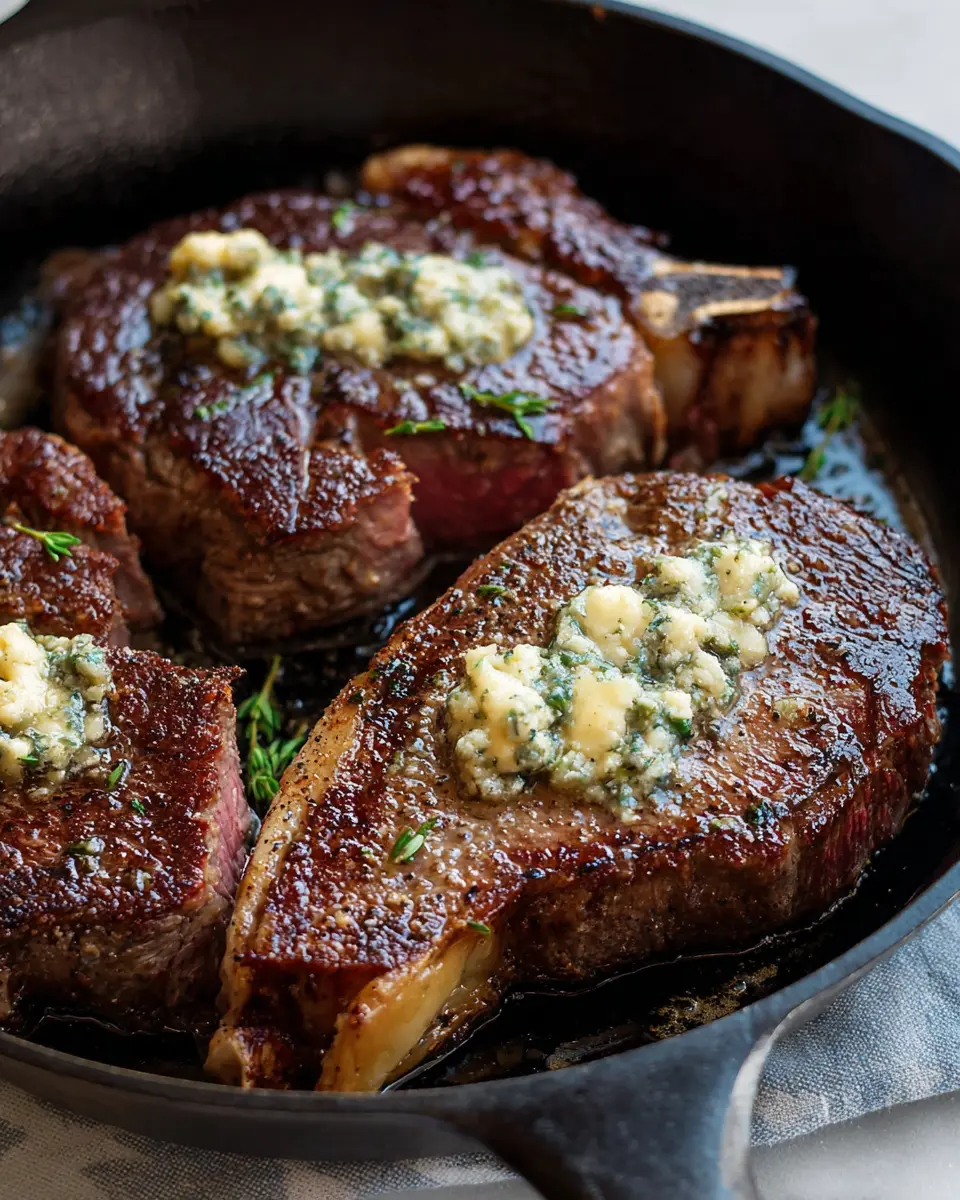
Ingredients for Pan Seared Steak
Essential ingredients for a great steak
To achieve a mouthwatering pan seared steak, you'll need a few essential ingredients that bring out the flavor and tenderness of the meat:
- Steaks: Opt for 2 (12 oz) Ribeye or New York strip steaks, about 1 ¼ inches thick. These cuts are known for their balance of flavor and tenderness.
- Vegetable Oil: This is key for achieving a perfect sear. It allows the steaks to brown nicely without burning.
- Kosher Salt and Black Pepper: Simple but essential seasonings that enhance the natural flavor of the steak.
- Butter: Unsalted butter adds richness and helps baste the steak as it cooks.
- Fresh Herbs and Garlic: Two sprigs of fresh thyme and smashed garlic cloves elevate the dish, creating layers of flavor in every bite.
Variations based on what's available
Feel free to get a little creative! If you find ribeye on sale, grab that, or swap in a New York strip—both will work wonderfully. No fresh thyme? Rosemary provides a lovely alternative. Even if you don't have any herbs on hand, don't worry; just season generously, and you'll still have a deliciously satisfying steak experience. If you're looking for inspiration or further cooking tips, check out resources like Serious Eats or America's Test Kitchen for expert insights.
Remember, the best steak is the one you enjoy making and eating!
Step-by-step preparation of Pan Seared Steak
Cooking a perfect pan seared steak isn't just about the cut of meat; it's an art form. Follow these steps to ensure that you achieve mouthwatering, tender results every time.
Let the steaks come to room temperature
Before you even reach for your skillet, it's essential to let your steaks sit at room temperature for about 30 minutes. This step is crucial because it allows for even cooking. Cold steaks straight from the fridge can lead to an unevenly cooked result, with a well-done exterior and a rare center—a common pitfall you'd want to avoid! Use this time to prep your other ingredients and gather your tools.
Seasoning your steak just right
A seasoned steak is a delicious steak. Don’t be shy with the kosher salt and freshly ground black pepper. Start by patting the steaks dry with paper towels—this helps form that coveted crust during searing. Season both sides generously; remember, a well-seasoned steak can elevate your meal to gourmet levels. If you prefer, consider experimenting with other herbs or spices for a unique twist.
Heating the skillet for optimal searing
The right temperature is key to achieving that beautiful crust. Heat a cast-iron skillet over medium-high heat and add a tablespoon of vegetable oil. You want the oil to shimmer, an indication that it’s hot enough for searing. Ideally, this should take around three minutes on a gas stove; it may take longer for electric stoves. The hot surface will ensure you get that signature sear without overcooking the inside.
The art of flipping the steak
Once the skillet is hot, it's time to add your steaks. Place them carefully in the pan but don’t overcrowd it—this can drop the temperature. Using metal tongs, press down gently on the steaks to ensure maximum contact with the skillet. Let them sear undisturbed for about three minutes, then flip. You'll know they're ready to turn when they release easily from the skillet. Flip the steak and continue cooking for an additional three minutes or until they're about 10 degrees shy of your desired doneness.
Infusing flavor with garlic butter and herbs
When your steaks are almost ready, lower the heat to medium-low and add a couple of tablespoons of unsalted butter, along with smashed garlic cloves and fresh thyme. This is where the magic happens! Tilt the pan so the butter pools on one side, and use a spoon to baste the butter over the steaks. This technique not only adds rich flavor but keeps the meat moist and tender. Perfect, right?
The importance of resting your steak
After all that cooking and attention, resist the urge to slice immediately! Let the steaks rest on a plate for about five minutes before carving into them. This resting period allows the juices to redistribute, resulting in a tender and juicy finish. Trust us; it’s worth the wait!
By following these simple steps, your pan seared steak will not only impress your taste buds but also your dinner guests. Happy cooking! For more tips, check out excellent resources like Serious Eats or America’s Test Kitchen for deeper insights.
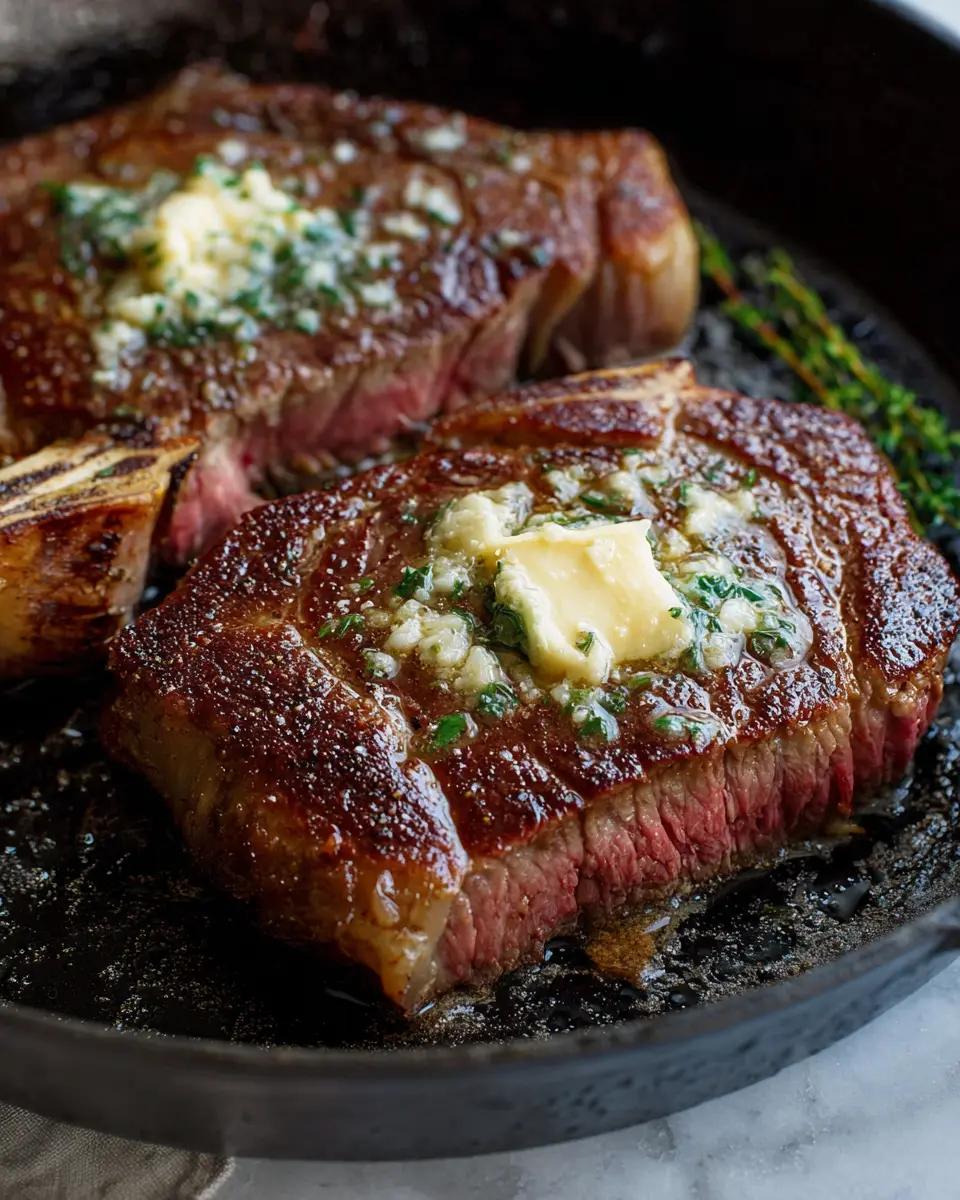
Variations on Pan Seared Steak
Try Different Cuts, Like Filet Mignon or Sirloin
While ribeye and New York strip are delicious, diversifying your pan seared steak choices can elevate your meal experience. Consider trying filet mignon for its tenderness or sirloin for a leaner option. Each cut brings unique flavors and textures to the table, inviting a new culinary adventure every time you cook.
Experiment with Marinades or Rubs
Don’t be afraid to get creative! Marinades and dry rubs can take your pan seared steak to new heights. A simple marinade of soy sauce, garlic, and ginger can infuse a delightful flavor, while a dry rub with smoked paprika and cumin offers a savory twist. Discovering new flavor combinations makes steak night anything but boring! Check out resources like Serious Eats or Bon Appétit for additional marinade ideas. Happy cooking!
Cooking tips and notes for Pan Seared Steak
Ensuring perfect doneness every time
To achieve the perfect doneness for your pan seared steak, use a meat thermometer. Here’s a quick guide:
- Medium Rare: 135°F
- Medium: 145°F
- Medium Well: 150°F
- Well Done: 160°F
Remember, the steak will continue to cook slightly after it's removed from the heat, so aim for your desired temperature minus 5°F.
The must-have tools for cooking steak
Having the right tools can make a world of difference. Here are the essentials you’ll need:
- Heavy-duty cast iron skillet: Ideal for even heating.
- Instant-read meat thermometer: For accurate doneness.
- Metal tongs: Perfect for flipping without losing juices.
- Paper towels: Essential for drying the steak—dry meat sears better!
With these tips, you're well on your way to mastering a mouthwatering pan seared steak! For more great cooking tips, check out Serious Eats or America’s Test Kitchen for expert advice.
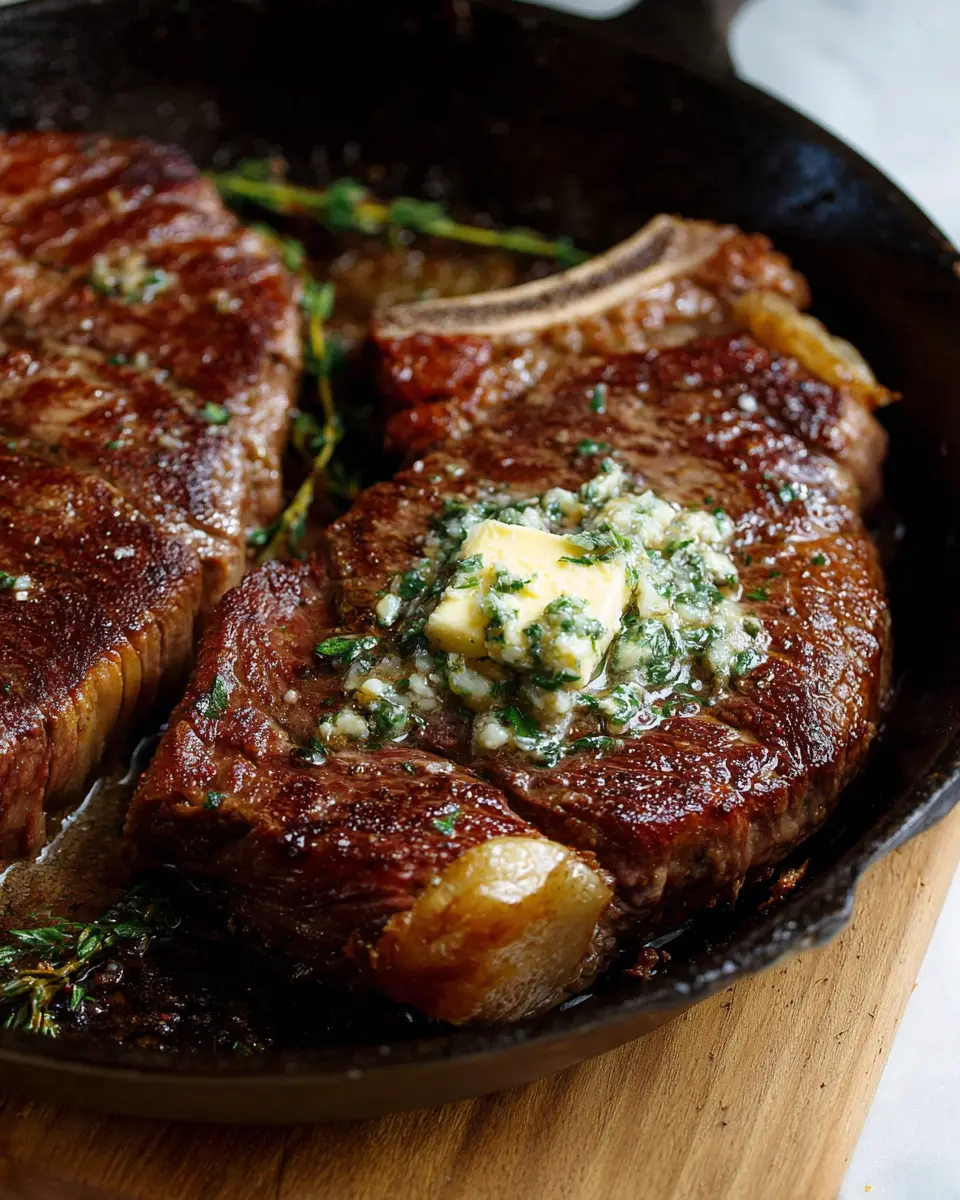
Serving suggestions for Pan Seared Steak
Perfect sides to complement your steak
When it comes to serving your pan seared steak, the right sides can truly elevate the meal. Consider pairing it with:
- Garlic Mashed Potatoes: Creamy and savory, they soak up the delicious garlic butter drippings.
- Sautéed Green Beans: A crisp, vibrant addition that adds a fresh touch.
- Roasted Asparagus: Their earthy flavors perfectly balance the richness of the steak.
- Quinoa Salad: A light, nutty option packed with nutrients.
Creative plating ideas
To make your pan seared steak presentation pop, try:
- Layering: Place a scoop of garlic mashed potatoes, then rest the steak on top for an inviting height.
- Color contrast: Serve with a side of sautéed green beans or roasted butternut squash for a vibrant plate.
- Garnish with herbs: A sprinkle of fresh thyme or microgreens adds romance and freshness.
For more plating tips, check out this guide on food presentation. Enjoy your meal!
Time Breakdown for Pan Seared Steak
Preparation Time
Getting your pan seared steak ready is a breeze with just 5 minutes of preparation. This quick step includes seasoning your steak and allowing it to reach room temperature, a crucial factor for achieving that perfect sear.
Cooking Time
Once prepped, the cooking time takes about 10 minutes. This includes searing both sides of your steak and integrating that delicious garlic butter to enhance the flavor.
Total Time
In just 45 minutes, you can go from raw ingredients to a beautifully cooked pan seared steak. This includes resting time to ensure the juices are nicely locked in. Don't skip this step—trust us, your taste buds will thank you!
By planning your time wisely, you can enjoy a memorable steak dinner that’s quick and satisfying. For more tips on cooking techniques, check out the American Culinary Federation for useful resources!
Nutritional Facts for Pan Seared Steak
When you're diving into the savory goodness of a pan seared steak, knowing the nutritional content can enhance your dining experience. Let’s break down the essentials:
Calories
A 12 oz ribeye steak contains approximately 840 calories. This makes it an indulgent yet satisfying choice for a hearty meal.
Protein
Packed with protein, a serving offers about 60 grams. That’s great news for anyone looking to boost their muscle-building or energy needs!
Sodium
With roughly 500 mg of sodium per steak, this dish can fit well within a balanced diet, especially when paired with low-sodium side dishes.
By understanding these nutritional facts, you can enjoy your pan seared steak with garlic butter while being mindful of your dietary choices. For further insights on healthy eating, consider visiting Nutrition.gov for expert tips and guidelines.
FAQs about Pan Seared Steak
What is the best way to know when steak is done?
The most reliable way to check if your pan seared steak is done is by using an instant-read thermometer. For reference, aim for 135°F for medium-rare and 145°F for medium. If you don’t have one, you can use the “finger test” method, where you compare the firmness of the steak to different parts of your hand. The more you practice, the better you’ll become at gauging doneness through touch!
Can I use this method with other proteins?
Absolutely! This pan-searing method isn’t just restricted to steak. You can apply it to chicken breasts, pork chops, or even fish like salmon. Just remember that different proteins will have varying cooking times and temperatures. For example, chicken should reach an internal temperature of 165°F to be safe.
What are some common mistakes to avoid?
- Skipping the Resting Period: Resting your steak allows the juices to redistribute.
- Using a Cold Pan: Always preheat your skillet! A hot pan ensures a good sear.
- Overcrowding the Pan: Cook in batches if necessary; overcrowding can lower the pan’s temperature, leading to steaming instead of searing.
For more tips, visit Serious Eats for great insights on cooking techniques and common pitfalls in home cooking.
Conclusion on Pan Seared Steak
Final thoughts on making the perfect homemade steak
Creating the ideal pan seared steak at home is not as daunting as it seems! Remember, the key lies in quality ingredients, patience, and a little practice. Allowing the steak to rest is crucial for tenderness. Enjoy your delicious creation with family or friends as they marvel at your culinary skills!
Pan Seared Steak with Garlic Butter
Equipment
- 12-inch cast iron skillet
Ingredients
- 2 steaks Ribeye or New York strip steaks (about 12 oz each) about 1 ¼-inches thick
- 1 tablespoon vegetable oil
- 1 teaspoon kosher salt
- ¾ teaspoon freshly ground black pepper
- 2 tablespoon unsalted butter
- 2 sprigs fresh thyme
- 2 cloves garlic peeled and smashed
Instructions
- Let steaks rest at room temperature for 30 minutes.
- Heat vegetable oil in a 12-inch cast iron skillet over medium-high heat (let it get hot, the oil should be shimmering near smoking).
- Dab both sides of steak dry with paper towels then season both sides with salt and pepper.
- Place steaks in skillet and using metal tongs press down over top surface to ensure contact with the skillet.
- Let cook until browned on bottom, about 3 minutes.
- Flip and continue to cook until steak is about 10 degrees away from desired doneness, approximately 3 minutes longer.
- Reduce heat to medium-low, add butter, garlic and thyme.
- Tilt pan so butter pools to one side and spoon butter over steaks, continue to cook until steaks register desired doneness, about 1 minute longer.
- Transfer to plates and let rest for 5 minutes before slicing.


Leave a Reply