
Introduction to Spanish Paella
What is Spanish Paella?
Spanish Paella is more than just a dish; it’s a cultural emblem that transports you straight to the sun-kissed shores of Spain. Originating from the Valencia region, this vibrant rice dish marries rustic ingredients with rich flavors, making it the perfect centerpiece for gatherings or a cozy night in. Traditionally made with a variety of proteins like chicken, rabbit, and seafood, paella showcases the diverse culinary heritage of Spain.
The key to an authentic Spanish Paella lies in its ingredients—short-grain rice, saffron, bell peppers, and fresh vegetables. While the classic version may seem intimidating, it’s surprisingly simple to replicate in your own kitchen. Simply follow our step-by-step guide, and you'll be savoring the delightful flavors in no time.
Curious to learn more about its cultural significance? The dish’s name comes from the Latin word “patella,” which means pan. Not only does it serve as a feast for the palate, but it’s also a shared experience, bringing friends and family together around a warm, communal meal.
For those ready to take the plunge, click here for the full recipe and start your Spanish culinary adventure!
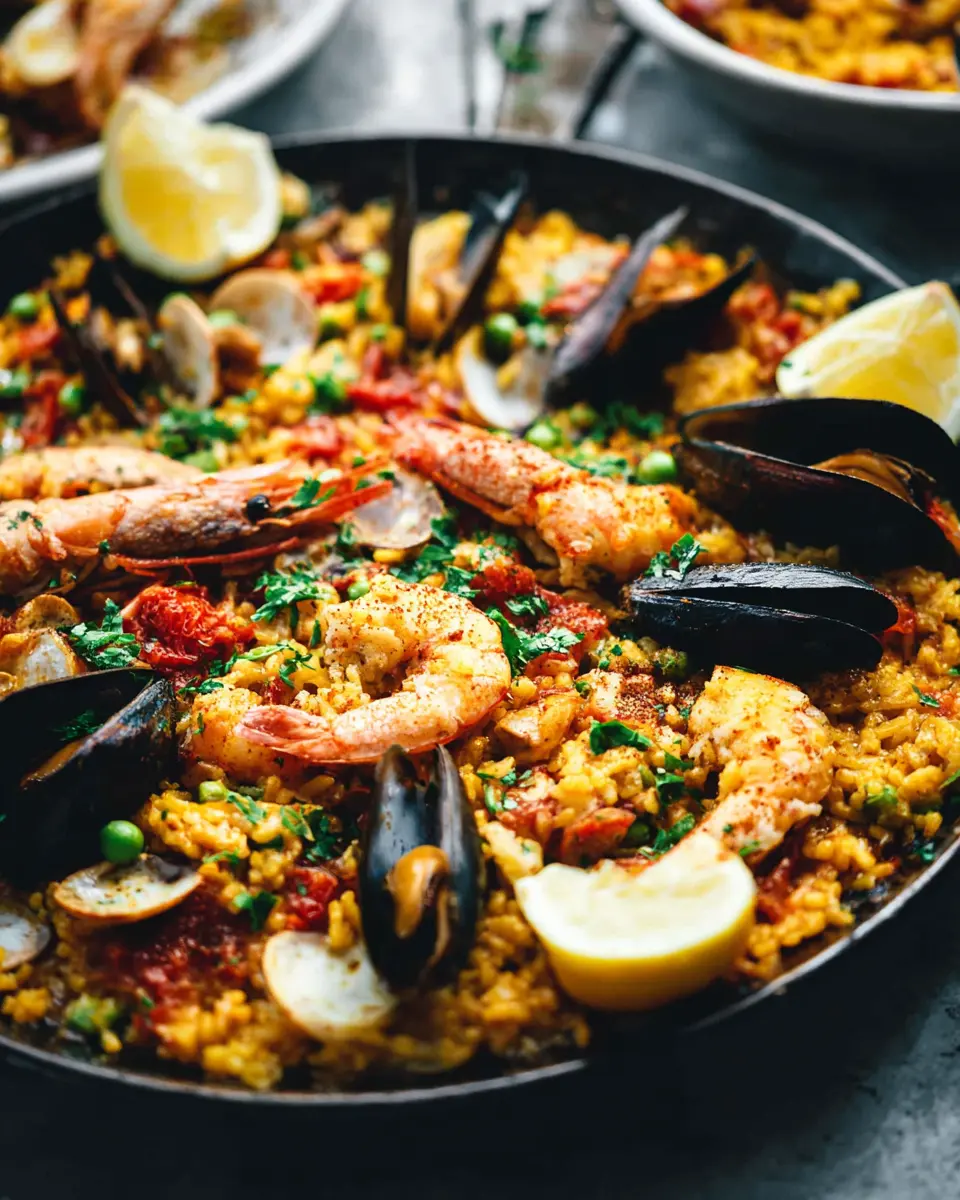
Ingredients for Spanish Paella
Key Ingredients
Creating a vibrant and flavorful Spanish paella starts with some key ingredients that truly capture the essence of this beloved dish:
- Olive Oil: Extra virgin olive oil adds richness and depth.
- Rice: Use 2 cups of Spanish rice (like bomba) for the best texture and flavor.
- Saffron: Just a pinch of saffron threads gives paella its iconic color and aroma.
- Chicken: 4 boneless, skinless chicken thighs, cut into pieces for a hearty bite.
- Seafood: You can mix it up with ½ lb of jumbo shrimp, mussels, and calamari for that ocean-fresh taste.
- Vegetables: Onions, bell peppers, garlic, and finely diced roma tomatoes form the aromatic base.
Optional Add-Ins
Want to customize your Spanish paella? Here are some optional ingredients to consider adding:
- Peas: A ½ cup of frozen peas can add a pop of color and sweetness.
- Alternate Proteins: Substitute the chicken with turkey bacon, beef, or even chorizo for a different flavor profile.
- Vegetarian Twist: Load up on more vegetables, like artichokes, green beans, or asparagus, for a delightful vegetarian version.
For tips on choosing the right rice and seafood, check out this guide. With these ingredients in hand, you’re well on your way to creating a paella that’s bursting with flavor!
Preparing Spanish Paella
Creating a mouthwatering Spanish paella at home is an enjoyable culinary adventure. The fragrant aromas of cooked rice, seafood, and spices take you straight to the sun-soaked beaches of Spain. Follow these simple steps, and you will be rewarded with a dish that impresses family and friends alike.
Gather your ingredients
Before you start cooking, have all your ingredients at hand:
- ¼ cup of Extra virgin olive oil
- 1 diced onion
- 1 diced bell pepper (½ red and ½ green work well)
- 4 cloves of garlic, minced
- 3 finely diced roma tomatoes (or 8 oz. of tomato sauce)
- 1 bay leaf
- 1 teaspoon of paprika (sweet or smoked)
- 1 pinch of saffron threads
- Salt and pepper to taste
- 2 cups of Spanish rice
- 5 cups of chicken broth
- ½ cup frozen peas
- Your choice of seafood (jumbo shrimp, mussels, and calamari)
Feel free to experiment with vegetables or different proteins based on your preferences. Make sure to check out this guide on traditional paella ingredients for inspiration!
Sauté the aromatics
Heat the extra virgin olive oil in a large skillet over medium heat. Add the onion, bell peppers, and garlic, cooking until the onion becomes translucent. This fragrant base is essential for authentic Spanish paella. After about 5 minutes, incorporate the diced tomatoes, bay leaf, paprika, saffron, salt, and pepper. Give it a good stir and let the flavors blend for another 5 minutes. You’ll be tempted to taste it already—it smells divine!
Add proteins and rice
Now it’s time to bring in the heartiness! Add your chicken pieces and rice to the skillet. Sauté the mixture for just a minute, letting everything mingle well. This step is crucial for creating the perfect texture in your paella later.
Pour in the chicken broth
Next, slowly pour in your chicken broth, making sure the rice is evenly distributed. Don’t stir the mixture! Let the magic happen—this technique helps to create a delightfully crispy layer at the bottom, known as socarrat.
Add seafood and veggies
Once the broth starts to boil, reduce the heat to medium-low. After about 15-18 minutes, it’s time to nestle in your seafood (jumbo shrimp, mussels, and calamari) and sprinkle the frozen peas on top. Let it continue to cook without stirring for about 5 more minutes. Keep an eye on the liquid; if it hasn't absorbed and the rice isn’t tender yet, add a splash of broth as needed.
Let it rest before serving
Once cooked, remove the pan from heat. Cover it with a lid or aluminum foil, and even place a kitchen towel over it for about 10 minutes. This resting period allows flavors to marinate beautifully, making your Spanish paella even tastier.
Finally, garnish with fresh chopped parsley and lemon slices, and you have a spectacular dish worthy of any Spanish fiesta! For more tips on perfecting your paella, explore this article. Enjoy the experience!
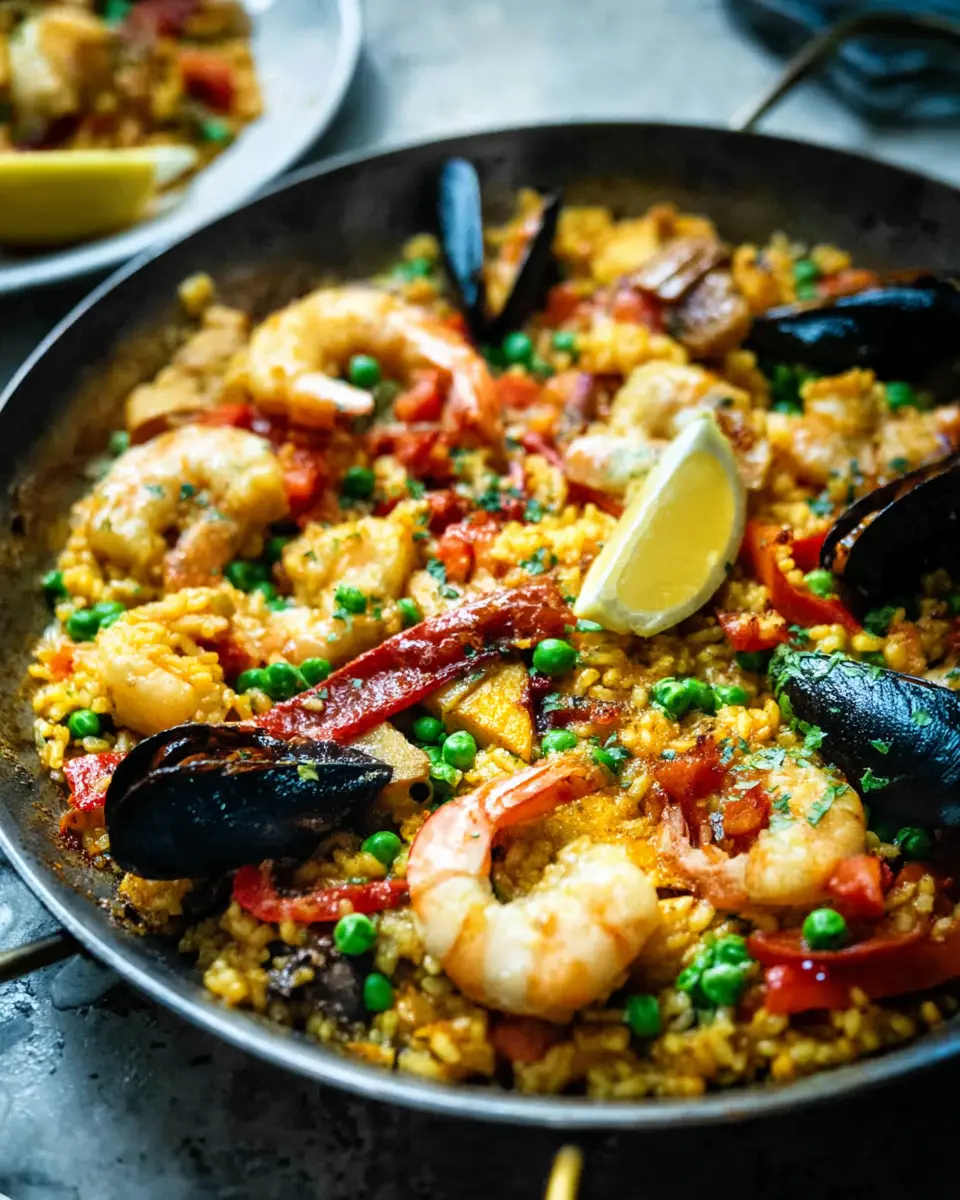
Variations on Spanish Paella
Vegetarian Paella
For those looking to savor the delights of Spanish paella without meat or seafood, try a Vegetarian Paella. Simply omit the chicken and seafood, replacing them with vibrant, seasonal vegetables like zucchini, bell peppers, artichokes, and green beans. Adding firm veggies ensures you get that satisfying texture while keeping it deliciously nutritious. Consider tossing in some flavorful spices like smoked paprika for an extra kick!
Paella Valenciana
Originating from the Valencia region, Paella Valenciana is one of the most celebrated versions. Traditionally, it features chicken, rabbit, and a medley of fresh vegetables like green beans and artichokes. Rich in flavors and history, this dish often showcases the rustic ingredients unique to the area. For a deeper dive into regional nuances, check out the Spanish culinary traditions through resources like Spain.info.
Embrace these creative flavors and make your next paella night an adventure!
Cooking tips for Spanish Paella
Choosing the right rice
When crafting Spanish paella, selecting the right rice is crucial. Authentic paella traditionally uses bomba rice, known for its ability to absorb flavors without becoming mushy. If you can't find bomba, medium-grain rice like Calrose can be a suitable substitute. Just remember to adjust the broth quantity slightly—less is often more. For a deep dive into rice types, check out this comprehensive guide on rice varieties.
Importance of the socarrat
Don’t overlook the socarrat, the crispy layer of rice at the bottom of the pan. This delightful texture adds a unique flavor to your paella. To achieve this, resist the urge to stir during cooking. A gentle shake of the pan occasionally is all you need. Did you know that achieving the perfect socarrat is a revered skill in Spanish cooking? It’s worth practicing, as many agree it’s the hallmark of a truly great paella!
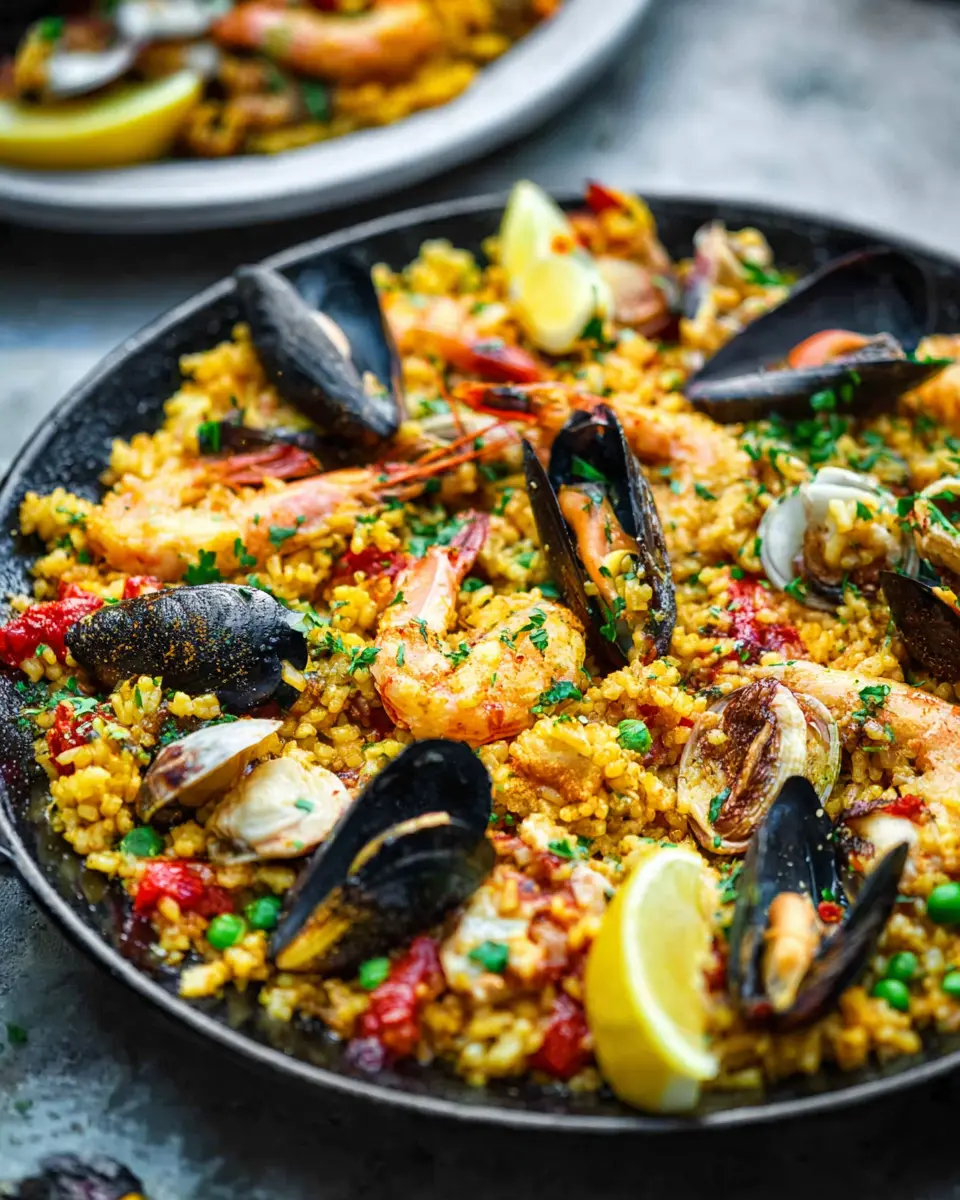
Serving suggestions for Spanish Paella
Pairing with sides
To elevate your Spanish paella experience, consider serving it alongside a fresh garden salad or crusty bread. A simple vinaigrette can add a bright note that complements the dish beautifully. Roasted vegetables, like asparagus or bell peppers, also bring a lovely contrast in taste and texture.
Best garnishes
Enhance the visual appeal of your paella by garnishing it with thin lemon wedges and a sprinkle of fresh parsley. The citrusy zest not only looks inviting but brightens the flavors within the dish. For a touch of elegance, you can also add a few green olives or capers on the side. These hearty garnishes are perfect for balancing the richness of the seafood and chicken.
For additional pairing ideas, check out these sides that work wonderfully with paella!
Time details for Spanish Paella
Preparation time
Get started on your culinary adventure with just 20 minutes of prep time. Chop your veggies, measure out the spices, and get everything ready to go before cooking. This makes the cooking process much smoother and enjoyable!
Cooking time
Once everything is set, the real magic begins. Cook your Spanish paella for approximately 40 minutes. This allows the flavors to meld and the rice to achieve that delightful texture.
Total time
In just 1 hour, you'll have a mouthwatering dish that's not only visually appealing but also packed with flavor. Perfect for gatherings, or a cozy dinner at home! Ready to bring authentic Spanish cuisine to your table?
Nutritional Information for Spanish Paella
When you're indulging in a bowl of Spanish Paella, it's great to know what you're enjoying. Here’s a quick breakdown of its nutritional content:
Calories
Each serving contains approximately 535 calories, making it a hearty meal perfect for sharing.
Protein
Enjoy a protein boost with about 37 grams per serving, thanks to the combination of chicken, seafood, and nutritious ingredients.
Sodium
Keeping an eye on sodium? This dish contains around 1159 mg per serving, so it’s wise to adjust seasonings to suit your dietary needs.
This sumptuous dish is both flavorful and filling, making it an excellent choice for a cozy dinner or gathering with friends. You can find more information about the health benefits of various Paella ingredients here. Enjoy your cooking!
FAQs about Spanish Paella
Can I make paella without a paella pan?
Absolutely! While a traditional paella pan is wider and shallower, you can use any large, flat skillet. Just ensure it has a heavy bottom for even heat distribution. If you don't have an appropriate pan, a cast-iron skillet or a wide frying pan will work just fine. The key is to allow the rice to cook evenly and develop that sought-after socarrat, the crispy bottom layer.
What can I substitute for saffron?
Saffron is a key ingredient in Spanish paella, but it can be pricey and sometimes hard to find. If you're in a pinch, consider using turmeric for its color, or a combination of paprika and a pinch of saffron powder. While these won't replicate the exact flavor, they can impart a lovely hue to your dish.
How do I know when my paella is ready?
One of the best parts of making Spanish paella is the anticipation as it cooks! You’ll know it’s ready when most of the liquid is absorbed, and the rice is tender yet still slightly al dente. A gentle shake of the pan can help, and you should hear a faint crackling sound as the socarrat forms at the bottom—a delicious sign that your paella is perfect!
For even more tips on perfecting your paella, check out this guide for aspiring cooks!
Conclusion on Spanish Paella
Making Spanish paella at home is not only a rewarding experience but also a delicious way to bring a taste of Spain into your kitchen. With its colorful mix of ingredients and layers of flavor, this iconic dish is perfect for gatherings or a cozy dinner. Give it a try and let the saffron fill your home with a delightful aroma!
Spanish Paella
Equipment
- 14 inch skillet
- paella pan
Ingredients
- ¼ cup Extra virgin olive Oil Spanish EVOO if available
- 1 Onion diced
- 1 bell pepper diced (½ red and ½ green recommended)
- 4 cloves Garlic
- 3 roma tomatoes very finely diced (or 8 oz. tomato sauce)
- 1 Bay leaf
- 1 teaspoon paprika sweet or smoked
- 1 pinch saffron threads
- Salt and pepper to taste
- ¼ cup white wine
- 4 boneless skinless chicken thighs cut into pieces
- ¼ cup fresh chopped parsley chopped, divided
- 2 cups Spanish Rice
- 5 cups Chicken Broth
- ½ cup frozen peas
- ½ lb Jumbo Shrimp or prawns about 12 – peeled, tail on
- ½ lb Mussels about 10-12, cleaned properly
- 8 oz calamari rings
- Lemons for garnish
Instructions
- Add olive oil to a skillet over medium heat. Add the onion, bell peppers and garlic and cook until onion is translucent. Add chopped tomato, bay leaf, paprika, saffron, salt and pepper. Stir and cook for 5 minutes.
- Add white wine and cook for 10 minutes. Taste and add salt if needed.
- Add chicken pieces, 2 tablespoons chopped parsley, and rice to the pot. Cook for 1 minute.
- Pour the broth slowly all around the pan and jiggle the pan to get the rice into an even layer. (Do not stir the mixture going forward!).
- Bring mixture to a boil. Reduce heat to medium low. Give the pan a gentle shake back and forth just once or twice during cooking.
- Cook for about 15-18 minutes (uncovered), then nestle the shrimp, mussels, and calamari into the mixture, sprinkle peas on top and continue to cook (without stirring) for about 5 more minutes. Watch for most of the liquid to be absorbed and the rice at the top nearly tender.
- Remove pan from heat and cover pan with a lid or tinfoil. Place a kitchen towel over the lid and allow to rest for 10 minutes.
- Garnish with fresh parsley and lemon slices. Serve.
Leave a Reply