
Introduction to Carrot Ginger Dressing
What is Carrot Ginger Dressing and Why is it a Game Changer?
If you're looking to elevate your salads and grain bowls, carrot ginger dressing is the secret weapon you didn't know you needed. This vibrant dressing combines the natural sweetness of carrots with the zesty kick of ginger, creating a refreshing and lively flavor that’s sure to enhance any dish.
But it’s not just about taste; this dressing is a game changer for several reasons. First off, it’s incredibly versatile. Whether drizzled over a fresh green salad, used as a marinade for grilled chicken, or even as a dip for fresh veggies, its applications are endless. The health benefits are equally compelling—carrots are rich in beta-carotene, while ginger is celebrated for its anti-inflammatory properties.
Making your own carrot ginger dressing is also a breeze. With just a few ingredients and a food processor, you can whip up this flavorful concoction in no time. Say goodbye to store-bought dressings laden with preservatives. Plus, this homemade version allows for personalization—want it sweeter or spicier? You can adjust to your heart’s content!
So why not give it a try? Your salads—and taste buds—are in for a treat! For a detailed recipe, check out our full Carrot Ginger Dressing guide below.

Ingredients for Carrot Ginger Dressing
Essential Ingredients You Need for a Creamy Dressing
Creating a delicious carrot ginger dressing starts with a few essential ingredients that blend together to form a perfect harmony of flavors. Here’s what you’ll need:
- Carrot: Just one medium carrot provides natural sweetness and vibrant color.
- Onion: A bit of onion adds depth; ¼ of a medium onion works wonders.
- Fresh Ginger: A fresh knob, about 1 inch in size, imparts that signature zing. Opt for milder young ginger for a subtler flavor.
- Sugar: 1½ tablespoons balances the tang from the vinegar.
- Miso: 1 tablespoon of mild white miso enhances the umami notes.
- Rice Vinegar: Unseasoned, ½ cup is a must for that acidic kick—avoid substitutions here.
- Neutral Oil: ¼ cup helps create a creamy texture when blended with the other ingredients.
Optional Ingredients for a Personalized Touch
Once you’ve mastered the basics, feel free to customize your carrot ginger dressing with optional ingredients like:
- Sesame Oil: A teaspoon of toasted sesame oil adds a nutty flavor.
- Spices: Consider adding a pinch of cayenne for heat or herbs like cilantro for freshness.
- Honey or Maple Syrup: Swap the sugar for a natural sweetener if you prefer.
With these ingredients, you can easily whip up a delightful dressing that brightens any salad. Happy cooking!
Preparing Carrot Ginger Dressing
Making your own carrot ginger dressing is not only easy but also a delightful way to enhance your salads and roasted veggies. With its bright orange hue and zesty flavors, you’ll want to whip up a batch frequently! Let's dive into how to prepare it.
Gather Your Ingredients
First things first, you'll want to make sure you have all your ingredients at the ready. Here’s what you need:
- 1 carrot (4.8 oz, 135 g)
- ¼ onion (2.5 oz, 70 g)
- 1 knob of ginger (about an inch, ideally young/spring ginger for a milder taste)
- 1½ tablespoon sugar
- 1 tablespoon miso (mild white miso works best)
- ¼ teaspoon Diamond Crystal kosher salt (or to taste)
- Freshly ground black pepper (to taste)
- 1 teaspoon toasted sesame oil
- ½ cup unseasoned rice vinegar
- ¼ cup neutral oil
Having everything laid out will make the process smoother and keep you focused. You can check out more details on miso for tips on choosing the right variety that suits your taste.
Prep the Vegetables
Now, let’s get those veggies ready! Start by peeling the carrot, then chop it into ½ to 1-inch pieces. This will help it blend more easily later. Next, tackle the onion—chop ¼ of it into similar-sized pieces. And don’t forget that knob of ginger! Peel and slice it into small bits. Toss all your chopped veggies into a food processor or a high-powered blender. I highly recommend my trusty Cuisinart Blender Food Processor Duo for a smooth blend.
Blend the Dressing to Perfection
With your veggies prepped, it’s time to blend! Puree the mixture until it’s fine and smooth. Once you’ve achieved that creamy consistency, add the sugar, miso, salt, and a dash of freshly ground black pepper to the mix. Those flavors will meld beautifully. Then, pour in the toasted sesame oil, rice vinegar, and the neutral oil. Blend it all together until it’s completely silky.
Adjust Seasoning for Your Taste
Taste your carrot ginger dressing and adjust the seasoning as needed. If it's too sour, a touch more sugar can balance it out. If you find it needs a bit more flavor, don’t hesitate to sprinkle in some extra salt. Want a lighter dressing? Just add a splash of water until you reach the desired consistency, though I prefer to keep it thicker for longevity.
Store it for Later Use
Once your dressing is complete, you can store it in an airtight container or a mason jar for up to a week. Remember to shake it well before each use. If you’re careful about pouring out what you need and returning it to the fridge immediately, it might even last you two weeks! For longer storage, consider freezing it for up to a month.
With these simple steps, you’ll be well on your way to enjoying this vibrant and nutritious dressing on your salads and bowls. Enjoy!
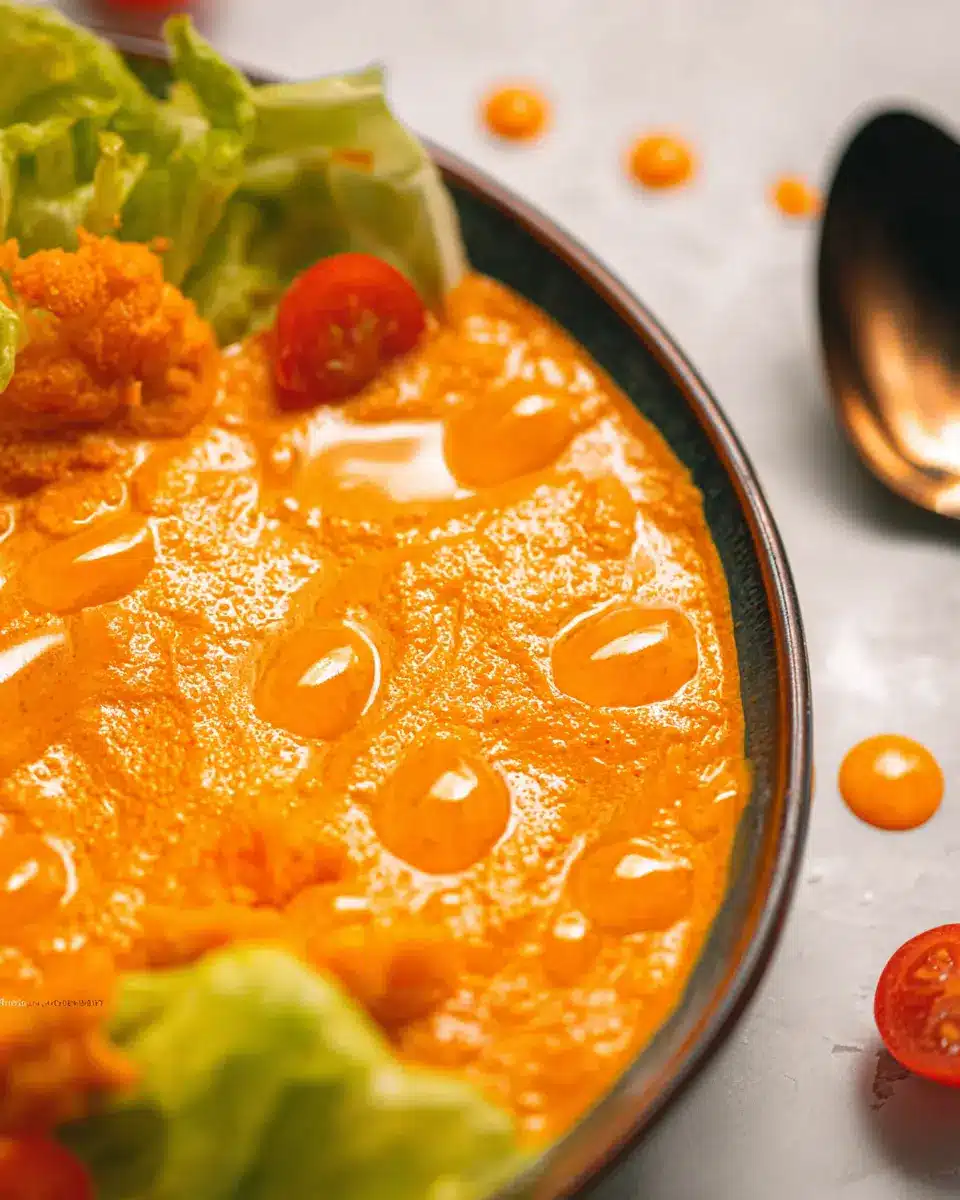
Variations on Carrot Ginger Dressing
Spicy Carrot Ginger Dressing with Chili
If you love a kick of heat, try adding some finely chopped chili or a splash of sriracha to your carrot ginger dressing. This variation not only enhances the flavor but also adds a refreshing zing that brightens up any dish. Use a milder pepper if you're wary of spice, or go bold with habanero for a truly fiery experience.
Creamy Carrot Ginger Dressing with Yogurt
For a creamy twist on the classic recipe, mix in some plain Greek yogurt. This adds a delightful richness while maintaining the carrot ginger dressing's freshness. Plus, the yogurt's tanginess balances the sweetness of the carrots beautifully, making it perfect for drizzling on salads or even as a dip for fresh veggies.
Exploring these variations allows you to customize your dressing to suit your palate, so feel free to experiment and find the combination that excites your taste buds!
Cooking Notes for Carrot Ginger Dressing
Importance of Using Fresh Ingredients
Using fresh ingredients is crucial for a vibrant carrot ginger dressing. Fresh carrots provide sweetness and a crunchy texture, while young ginger adds a milder, more aromatic flavor compared to older, fibrous ginger. To elevate the taste, opt for freshly squeezed rice vinegar and neutral oils for the best results. These small changes can make all the difference in the flavor profile of your dressing.
Tips for Choosing the Right Ginger and Miso
When selecting ginger, look for young or spring ginger—it has a smoother skin and a milder taste. For miso, go for white miso for a delicate, sweet umami flavor. This combination will ensure your carrot ginger dressing isn't just another salad topping; it’ll be a star on your plate! Want more tips on how to use miso in various dishes? Check out this informative guide on miso.
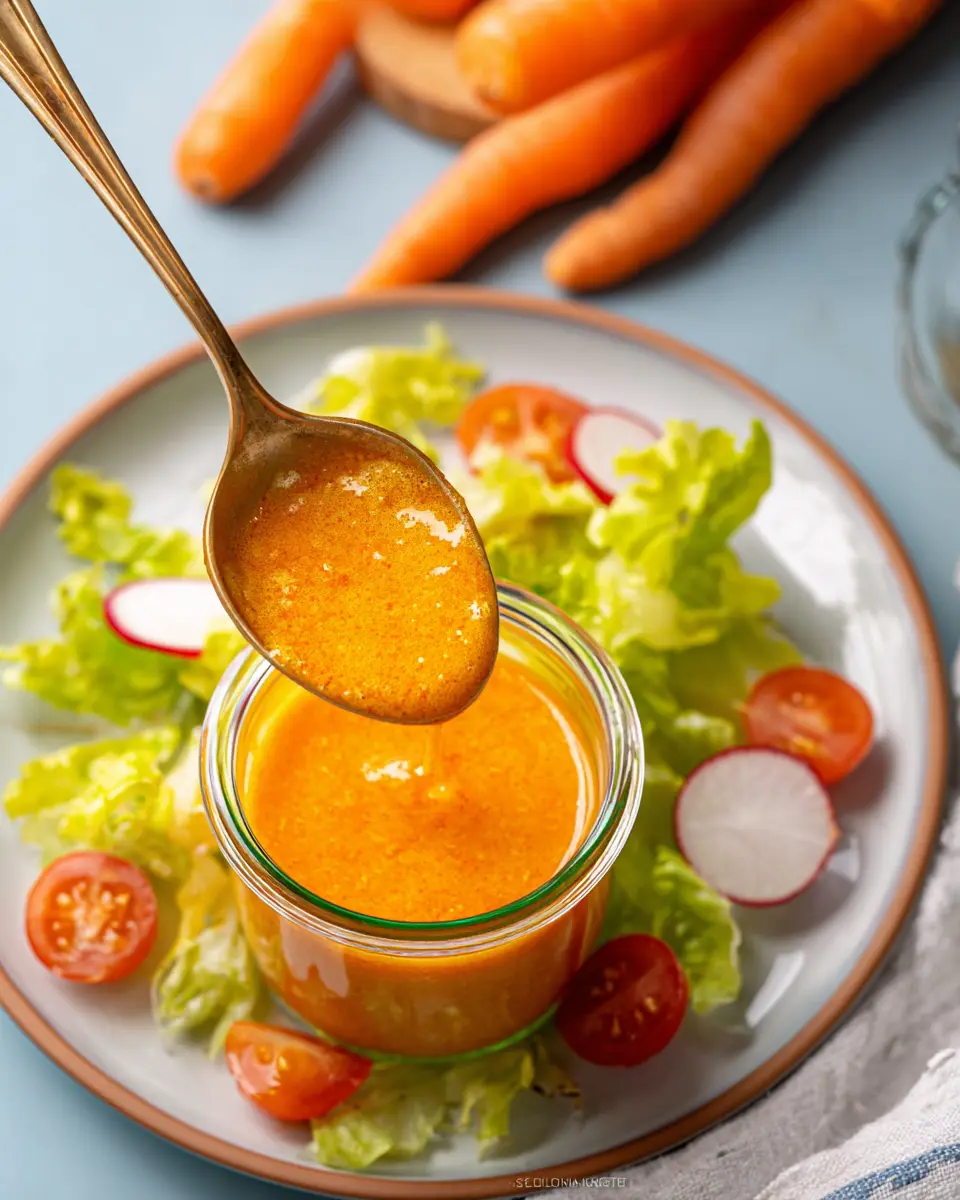
Serving suggestions for Carrot Ginger Dressing
Delicious salads that pair well
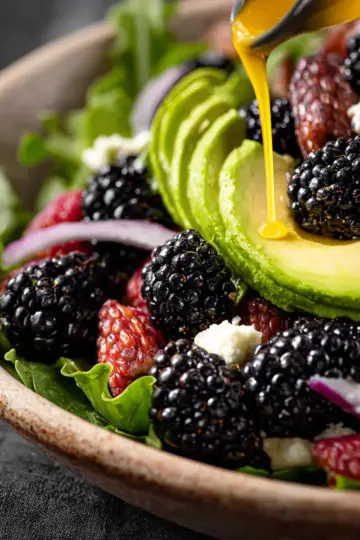
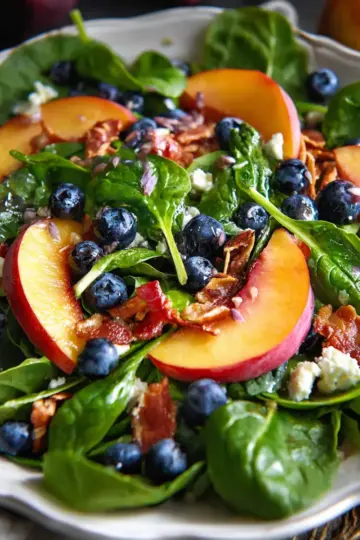
This vibrant carrot ginger dressing brings life to any salad! Consider it drizzled over a fresh garden salad featuring crisp greens like spinach or arugula, topped with sliced cucumbers, cherry tomatoes, and crunchy bell peppers. You can also elevate a quinoa salad with roasted veggies, or dress up a classic coleslaw for a zesty twist. Add grilled chicken or turkey bacon for protein, and you'll have a satisfying meal!
Creative uses beyond salad dressing
Don’t limit your carrot ginger dressing to just salads—the flavor possibilities are endless! Use it as a marinade for chicken or beef, or as a dipping sauce for fresh spring rolls or grilled shrimp. It also makes a tangy addition to grain bowls or a unique topping for roasted vegetables. Want to try something new? Mix it into a creamy avocado toast for an unexpected flavor hit!
Time details for Carrot Ginger Dressing
Preparation time
Getting started on your carrot ginger dressing takes about 10 minutes. This includes peeling and chopping the vegetables, so it’s quick and painless!
Blending time
Once your veggies are prepped, expect the blending process to take around 3-5 minutes until you achieve that silky smooth consistency.
Total time
In total, you’ll invest about 15 minutes to create this vibrant and delicious dressing. That’s just a short amount of time for a tasty addition to your salads!
For more insights into quick meal prep, consider articles on meal planning for busy professionals or explore food processor tips for maximizing your kitchen efficiency!
Nutritional Information for Carrot Ginger Dressing
Calories
This flavorful carrot ginger dressing packs in about 121 calories per serving. It’s an excellent way to add taste without overwhelming your salad or dish with excessive calories.
Carbohydrates & Sugar Content
With around 7g of carbohydrates and 5g of sugar, this dressing provides a light sweetness, thanks to the addition of sugar, while still being suitable for a balanced diet.
Vitamins and Minerals
You’ll also benefit from vitamins and minerals, particularly Vitamin A at 3792 IU which supports eye health, and small amounts of Vitamin C, calcium, and iron. It’s a nutritious addition that enhances your meals while supplying essential nutrients.
For more detailed information about the health benefits of carrots and ginger, check out resources from the American Heart Association and Healthline.
FAQs about Carrot Ginger Dressing
How long can I store carrot ginger dressing?
You can store your homemade carrot ginger dressing in an airtight container or mason jar for up to one week. If you want to keep it longer, it can last up to two weeks if you promptly return any leftovers to the refrigerator after serving. For an even longer shelf life, consider freezing it for up to a month. Just give it a good shake before using!
Can I use other types of vinegar?
While rice vinegar is ideal for this recipe due to its mild flavor, you might wonder if you can use other types. Unfortunately, most other vinegars are too acidic or strong, which could overpower the dressing's delicate flavors. Stick with unseasoned rice vinegar for the best results!
What can I substitute for miso in the recipe?
If you're out of miso or following a specific diet, you can try using tahini or a mix of soy sauce and a touch of nut butter as a substitute. While the flavor may differ slightly, these alternatives can still provide that creamy consistency and depth.
Conclusion on Carrot Ginger Dressing
Embrace homemade health with carrot ginger dressing!
Making your own carrot ginger dressing at home is an easy way to boost your meals with flavor and nutrition! With fresh ingredients, you control the flavors while enjoying a healthier alternative to store-bought dressings. Explore this vibrant dressing over salads or as a dipping sauce—your culinary creativity is the limit!

Carrot Ginger Dressing
Equipment
- food processor
- blender
Ingredients
Vegetables
- 1 inch ginger preferably milder young/spring ginger, peeled and sliced
Condiments
- 1½ tablespoon sugar
- 1 tablespoon miso mild and mellow white miso
- ¼ teaspoon Diamond Crystal kosher salt to taste
- freshly ground black pepper to taste
- 1 teaspoon toasted sesame oil
- ½ cup rice vinegar (unseasoned) DO NOT substitute with other vinegars
- ¼ cup neutral oil
Instructions
Preparation
- Gather all the ingredients.
- Peel carrot and chop into pieces about ½–1 inch (1.25–2.5 cm).
- Chop onion into 1-inch (2.5-cm) pieces.
- Peel ginger and slice into small pieces. Put all chopped vegetables into a food processor or a high-powered blender.
Blending
- Purée until fine and smooth.
- Add sugar, miso, kosher salt, and black pepper to the vegetable purée.
- Add toasted sesame oil, rice vinegar, and neutral oil.
- Process again until the dressing is completely smooth. Taste and adjust seasoning as needed.
Serving
- Serve over a green salad.
Storing
- Store dressing in an airtight container for up to 1 week. It can keep for up to 2 weeks in the refrigerator or 1 month in the freezer.


Leave a Reply