
Introduction to Whole Wheat Bread
Whole wheat bread is so much more than just a staple—it's a transformative solution for young professionals looking to enhance their meals without sacrificing flavor or nutrition. As the demands of work and life can leave limited time for meal prep, making your own whole wheat bread can be an incredibly rewarding experience. Not only is it packed with nutrients, but it also comes with the added benefit of being deliciously fresh.
Why Whole Wheat Bread is a Game Changer for Young Professionals
-
Health Benefits: Whole wheat bread is rich in fiber, vitamins, and minerals, offering a heart-healthy alternative to white bread. It helps regulate energy levels, keeping you fueled throughout your busy day.
-
Versatility: Whether it’s a turkey bacon sandwich, a savory chicken ham toast, or simply spread with some almond butter, whole wheat bread adapts effortlessly to any meal.
-
Cost-Effective: Baking your own allows you to save money, especially when you compare it to high-quality store-bought options. Plus, the satisfaction of homemade goods is unmatched!
By choosing whole wheat, you're not just making a healthier choice; you're embracing a lifestyle that prioritizes well-being and flavor. If you want to dive deeper into whole grains and their benefits, check out this detailed study on whole grains.
Ready to start baking your own fresh, nourishing bread? Let’s get into the whole wheat bread recipe that will become a staple in your kitchen!
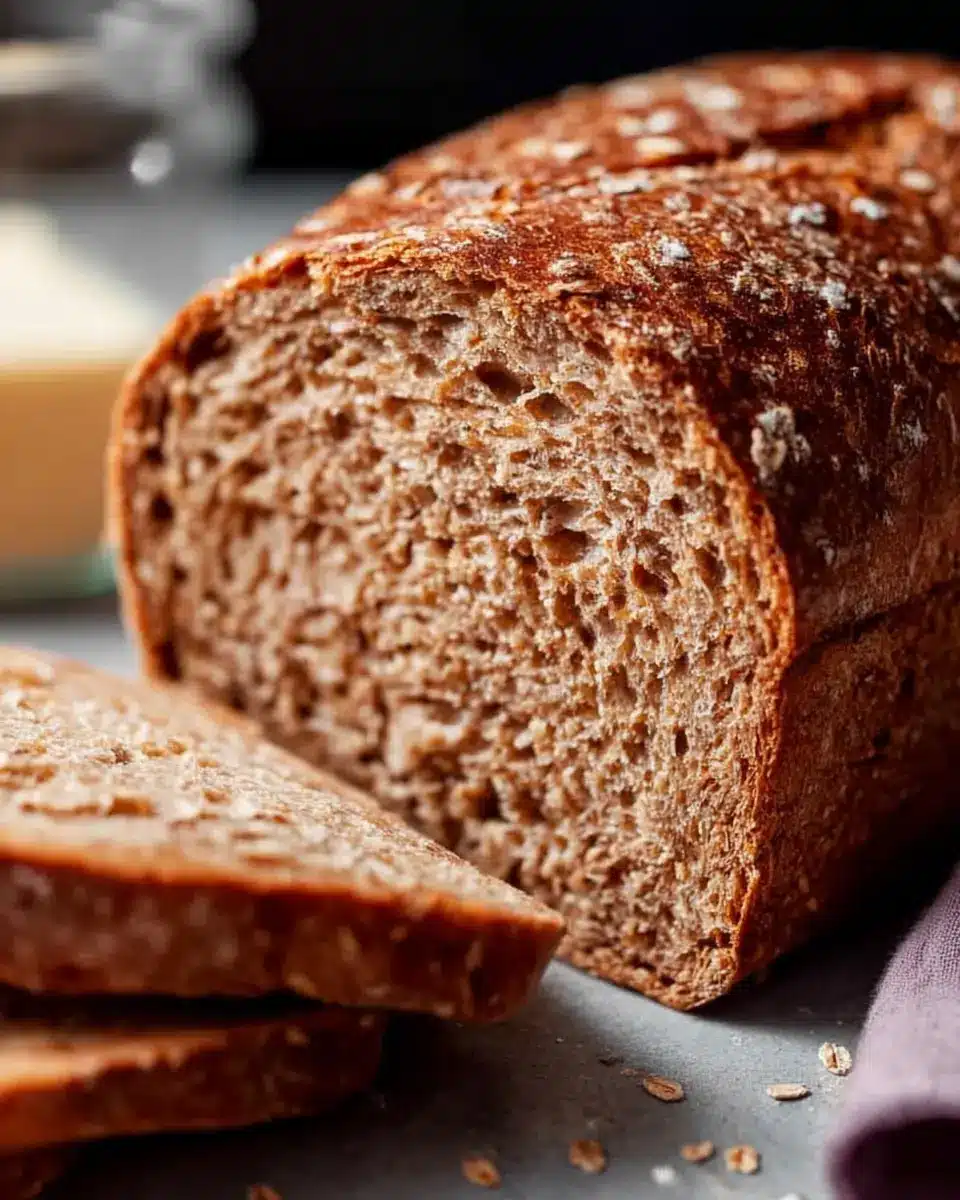
Ingredients for Whole Wheat Bread
Essential Ingredients for a Perfect Loaf
Creating the perfect whole wheat bread begins with the right ingredients. Here’s what you’ll need:
- Water: 1 cup (240ml), warmed to about 110°F (43°C) – the starting point for activating your yeast.
- Whole Milk: ⅓ cup (80ml), also warmed to the same temperature to enrich the dough.
- Yeast: 2 and ¼ teaspoons (7g) of active dry or instant – this is what helps your bread rise!
- Whole Wheat Flour: 2 cups (260g) – the star of the show, providing that nutty flavor and health benefits.
- Honey: 3 tablespoons (63g) – natural sweetness that complements the bread beautifully.
- Unsalted Butter: 3 tablespoons (43g), softened – adds richness and moisture.
- Salt: 1 and ¼ teaspoons – essential for enhancing flavor.
- Lemon Juice or Apple Cider Vinegar: 1 teaspoon – helps strengthen the dough.
Optional Ingredients for Extra Flavor and Texture
Once you've mastered the basics, consider adding a few optional ingredients to elevate your whole wheat bread:
- Oat Topping: 1 beaten egg white and 1 tablespoon of whole oats create a beautiful crust.
- Seeds or Nuts: Mix in seeds like sunflower or pumpkin for a nutritional boost and added crunch.
- Spices: A dash of cinnamon or nutmeg can add a warm flavor profile.
Experimenting with these ingredients makes your whole wheat bread uniquely yours—who wouldn’t enjoy a loaf tailored to their taste? For more tips on baking ingredients, check out resources like Food52 and King Arthur Baking.
Preparing Whole Wheat Bread
Making your own whole wheat bread is not only rewarding but also surprisingly straightforward. This guide will walk you through each step to ensure your bread turns out soft, flavorful, and full of nutrition. Let’s dive right in!
Create the Sponge
The magic begins with the sponge. In a large bowl or stand mixer, whisk together 1 cup of warm water, ⅓ cup of warm whole milk, and 2 and ¼ teaspoons of yeast. Once that's frothy, add in 2 cups of whole wheat flour and mix until you have a thick batter. Cover the bowl lightly and let it sit for about 60–90 minutes until it doubles in size. This is critical for developing flavor and texture in your bread!
Make the Dough
Once your sponge is ready, it’s time to make the dough. Add in 3 tablespoons of honey, 3 tablespoons of softened unsalted butter, 1 teaspoon of lemon juice, and 1 and ⅓ cups of whole wheat flour. Mix until it forms a soft dough. If it feels too sticky, don’t hesitate to incorporate more flour, one tablespoon at a time.
Knead the Dough
Kneading is a vital step for creating that lovely chewy texture. You can either use a stand mixer fitted with a dough hook or knead by hand on a floured surface for about 8–10 minutes. If you're new to this, check out my How to Knead Dough video tutorial for some guidance.
First Rise
Transfer the dough to a lightly greased bowl, turning it to coat all sides. Cover it and let it rise in a warm area for about 1.5–2 hours until it’s doubled in size. This fermentation process is vital for flavor and making your whole wheat bread airy.
Shape the Loaf
When your dough is ready, it’s time to shape it. Gently punch it down to release air, then roll it into a rectangle approximately 8x15 inches. Roll it up tightly to form an 8-inch log and place it seam-side down in a greased 9×5-inch loaf pan.
Second Rise
Cover the loaf and let it rise again until it’s about an inch above the pan, roughly 45–60 minutes. This step is essential for achieving a great rise during baking.
Preheat the Oven
While the loaf is rising, don’t forget to adjust your oven rack to a lower position and preheat your oven to 350°F (177°C). This lower placement helps prevent the top from burning while allowing the loaf to bake evenly.
Bake the Bread
It's finally time to bake! Place your loaf in the preheated oven and bake for about 36–40 minutes. If the top starts to brown too quickly, loosely cover it with aluminum foil. To check if it’s done, tap the loaf to hear a hollow sound or use an instant-read thermometer to ensure it has reached 195–200°F (90–93°C).
As you can see, preparing your own whole wheat bread is a journey but oh-so-worth it. Not only do you get a delicious, nutritious loaf, but you also gain the satisfaction of having made it yourself. Happy baking!
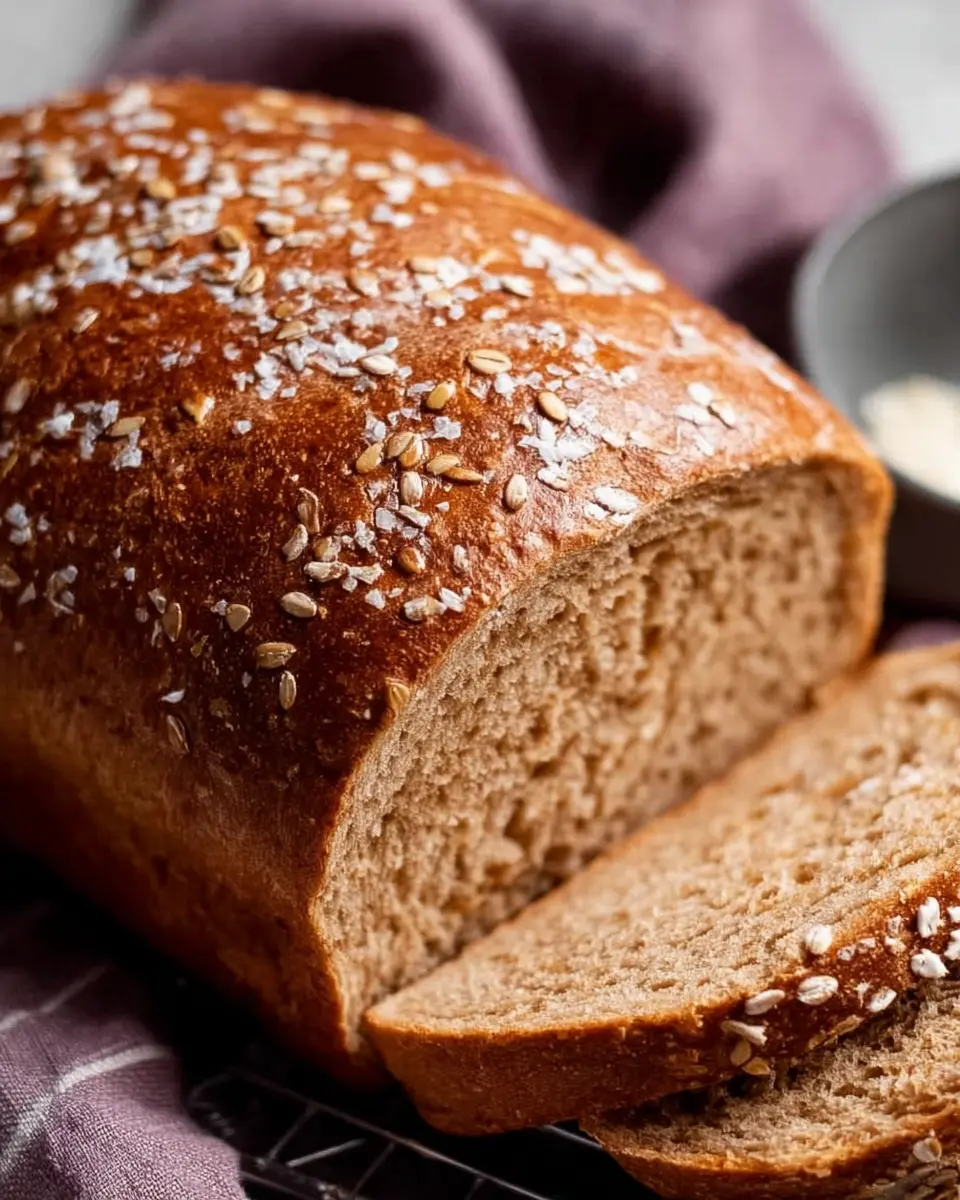
Variations on Whole Wheat Bread
Whole wheat bread is versatile and open to interpretation. Here are some delightful ways to elevate your loaf:
Adding Seeds or Nuts for Crunch
Incorporating seeds or nuts not only adds a satisfying crunch but also boosts the nutritional profile of your whole wheat bread. Try tossing in sunflower seeds, flaxseeds, or chopped walnuts for a hearty twist. These add-ins pair wonderfully with the slightly nutty flavor of whole wheat. Just sprinkle them into the dough during the final mixing stage, or top the loaf before baking for a beautiful finish.
Incorporating Herbs for Flavor
Want to add a burst of freshness? Consider adding herbs like rosemary, thyme, or even garlic powder into the dough. Fresh herbs can transform your whole wheat bread into a savory delight, making it perfect for sandwiches or toast. Who doesn’t love a warm, herb-infused slice alongside a hearty soup or salad? Experiment and find your favorite combination!
Cooking Tips and Notes for Whole Wheat Bread
Common Pitfalls to Avoid
Making a whole wheat bread loaf can be a rewarding experience, but a few common mistakes can lead to subpar results.
- Using stale flour: Freshness matters! Ensure your whole wheat flour is within its use-by date.
- Over-kneading the dough: While it's important to build gluten, overworking can make your bread dense. Aim for a soft, slightly tacky texture.
- Incorrect water temperature: Yeast thrives around 110°F (43°C). Too hot, and you risk killing it; too cold, and it won’t activate properly.
If you follow these tips, you’ll be on your way to a perfect loaf!
Storage Tips for Freshness
To enjoy your whole wheat bread at its finest, proper storage is key.
- Room temperature: Tightly wrap your bread in plastic or store it in a bread box to keep it soft for up to a week.
- Freezing: For longer storage, slice your loaf and freeze individual pieces. This way, you can toast or use them as needed without defrosting the whole loaf!
- Avoid the fridge: Bread tends to dry out in the refrigerator. Instead, let it stay at room temperature for optimal moisture.
By following these helpful storage tips, your homemade bread will remain fresh and delicious! For more helpful baking insights, check out resources like King Arthur Baking and The Bread Lab.
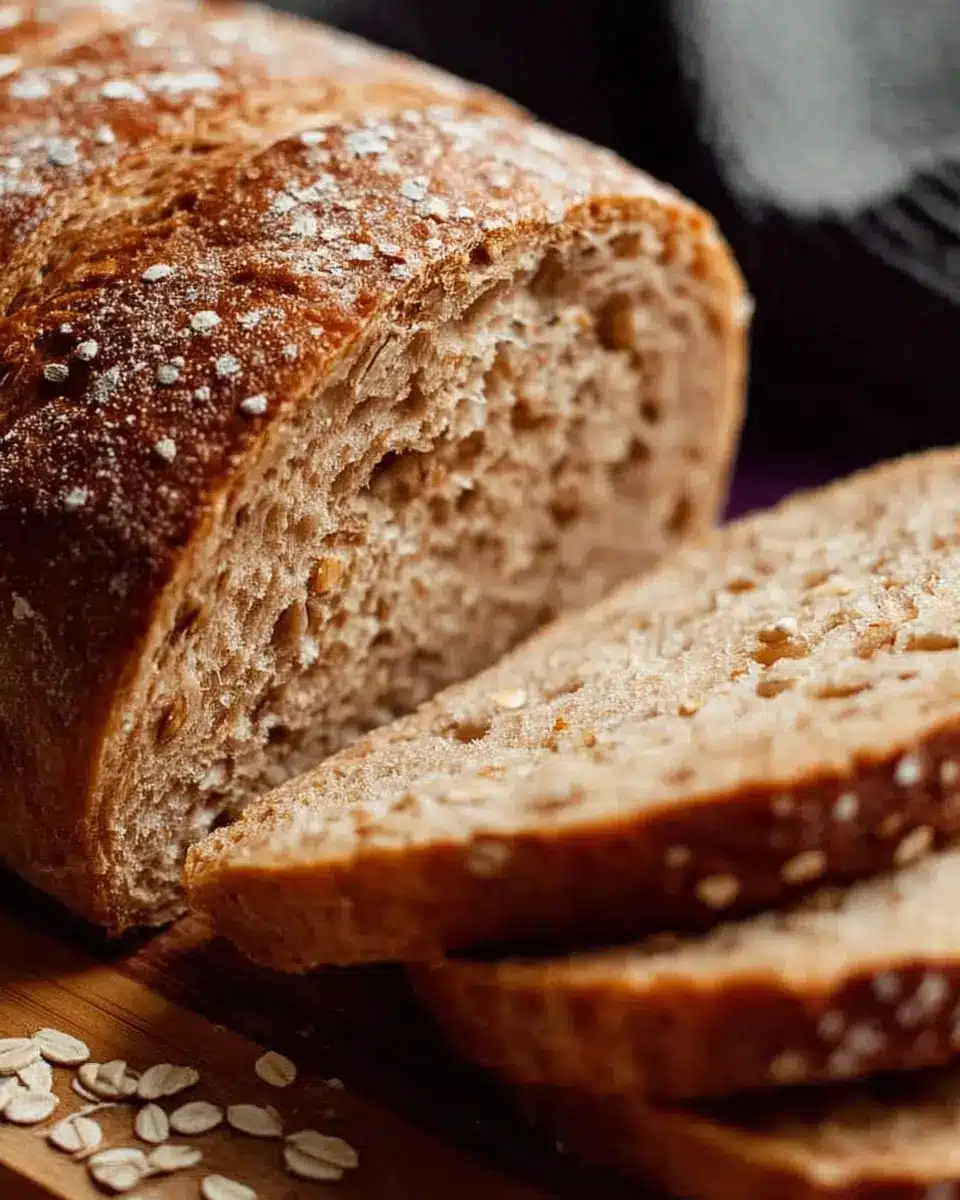
Serving Suggestions for Whole Wheat Bread
Perfect Pairings for Sandwiches
Whole wheat bread shines when it comes to creating delicious sandwiches. Try layering in some Turkey Bacon, fresh avocado, and crisp lettuce for a wholesome lunch. Alternatively, a classic chicken ham and Swiss cheese combo, dressed with a touch of mustard or mayo, makes every bite satisfying. Don’t forget to add your favorite greens for an extra crunch!
Creative Ways to Use Leftover Bread
Have some whole wheat bread left over? Consider turning it into croutons by cubing and toasting them with olive oil and herbs for a salad booster. You can also blend it into breadcrumbs for a homemade coating on chicken or vegetables, or whip up a comforting bread pudding for a sweet treat.
For more innovative ideas, check out this comprehensive guide on using leftover bread.
Time Breakdown for Whole Wheat Bread
Preparation Time
Take about 4 hours and 30 minutes for preparation, including making the sponge and allowing the dough to rise. This time frame includes the initial mixing, kneading, and two rising phases, where your dough will grow into something delightful.
Rising Time
Expect 2 hours to 2 hours and 30 minutes for the dough to complete its first rise, followed by about 45–60 minutes for the second rise once the dough is shaped. Patience is key here; this is when the magic happens!
Baking Time
The actual baking will take 36 to 40 minutes in the oven. You'll know it's ready when it turns a lovely golden brown and sounds hollow when tapped.
Total Time
In total, you’re looking at around 5 hours and 10 minutes from start to finish. It might feel like a bit of a time investment, but the scent of freshly baked whole wheat bread wafting through your kitchen will be worth every minute!
For more tips on the science of bread-making, check out my Baking with Yeast Guide. Happy baking!
Nutritional Facts for Whole Wheat Bread
Calories and Macronutrients
Whole wheat bread is a nutritious choice, typically containing about 80–100 calories per slice. Each slice also provides a balanced blend of macronutrients:
- Carbohydrates: 15-20g, primarily from whole grains.
- Protein: 3-5g, essential for muscle repair.
- Fat: 1-2g, including healthy fats if using certain oils or seeds.
These macronutrients contribute to a filling, satisfying meal option!
Vitamins and Minerals
In addition to being a great source of energy, whole wheat bread is packed with essential vitamins and minerals. Notable nutrients include:
- Fiber: Supports digestive health with around 2-4g per slice.
- Iron: Vital for blood production.
- Magnesium: Important for bone health and muscle function.
- B Vitamins: Help in energy metabolism.
By incorporating whole wheat bread into your diet, you’re making a wholesome choice that fuels your body while satisfying your taste buds. For more on the health benefits, check out this overview from the Whole Grains Council.
FAQs about Whole Wheat Bread
Can I use all-purpose flour instead of whole wheat flour?
While you can use all-purpose flour in place of whole wheat flour, it’s important to note that the texture and taste of your bread will change significantly. Whole wheat flour contributes more nutrients and fibers, resulting in a denser loaf. If you’re aiming for a lighter bread, consider blending both flours—using about 50% all-purpose and 50% whole wheat.
How can I make my bread softer?
To achieve a softer texture in your whole wheat bread, try these tips:
- Add fats: Incorporating a bit more butter or oil can enhance moisture.
- Use milk: Replacing some water with milk can create a richer loaf.
- Knead thoroughly: A good kneading process develops gluten, which helps with bread structure.
What are the health benefits of whole wheat bread?
Opting for whole wheat bread over its white counterpart offers multiple health perks:
- Fiber richness: Whole wheat contains more fiber, promoting better digestion.
- Nutrient-dense: It retains nutrients like magnesium and B vitamins, which are often lost in refined flour.
- Heart health: Regular consumption can support heart health by helping reduce cholesterol levels.
For more detailed insights on bread-making, check out this comprehensive guide on whole grains that covers everything from health benefits to baking tips!
Conclusion on Whole Wheat Bread
In summary, baking your own whole wheat bread is not just satisfying but also rewarding. The rich flavors and wholesome ingredients make it a fantastic choice for your meals. Whether you enjoy it fresh or toasted, this recipe elevates any sandwich and transforms breakfast into something special. Happy baking!

Whole Wheat Bread
Equipment
- stand mixer
- Large Glass Mixing Bowl
- Wooden spoon
- silicone spatula
- 9×5-inch Loaf Pan
- Rolling pin
- Pastry brush
- instant read thermometer
- wire cooling rack
Ingredients
Sponge
- 1 cup water warmed to about 110°F (43°C)
- ⅓ cup whole milk warmed to about 110°F (43°C)
- 2 and ¼ teaspoons active dry or instant yeast (1 standard packet)
- 2 cups whole wheat flour (spooned & leveled)
Dough
- 3 Tablespoons honey
- 3 Tablespoons unsalted butter softened to room temperature
- 1 teaspoon fresh lemon juice (or apple cider vinegar)
- 1 and ⅓ cups whole wheat flour (spooned & leveled), plus more as needed
- 1 and ¼ teaspoons salt
- 1 beaten egg white optional oat topping
- 1 Tablespoon whole oats optional topping
Instructions
Prepare the Sponge
- In a large bowl or the bowl of your stand mixer, whisk the water, whole milk, and yeast together. Add the flour and stir until a thick batter forms. Cover and allow to double in size at room temperature for 60–90 minutes.
Make the Dough
- Add the remaining dough ingredients including honey, butter, lemon juice, remaining flour, and salt. Mix until dough comes together and pulls away from sides.
- If dough is too wet, beat in more flour 1 tablespoon at a time until workable.
Knead the Dough
- Knead the dough for 8–10 minutes until soft and slightly tacky.
First Rise
- Grease a large bowl and place the dough in it, turning to coat. Cover and allow to rise for 1.5–2 hours or until double in size.
Shape the Dough
- Punch down the dough and roll it into a rectangle. Roll it into an 8-inch log and place in a greased loaf pan.
Second Rise
- Cover the shaped loaf and allow to rise until about 1 inch above the pan, about 45–60 minutes.
Bake
- Preheat oven to 350°F (177°C). Bake for 36–40 minutes until golden brown.
- Tent with foil if top browns too quickly. Check with an instant-read thermometer to ensure center reads 195–200°F.
Cool
- Allow to cool in the pan for a few minutes before transferring to a cooling rack.
Store
- Cover leftover bread tightly and store at room temperature for up to 1 week.




Leave a Reply