
Introduction to French Baguette Recipe
Why bake homemade baguettes?
Have you ever walked into a bakery and been captivated by the golden crust and airy, soft insides of a freshly baked French baguette? There’s something magical about the aroma of bread baking, and making your own baguettes can be a delightful experience! Not only do homemade baguettes bring the comforting taste of France right to your kitchen, but they also allow you to control the ingredients, ensuring a wholesome, delicious loaf.
Baking your own baguettes is also a fun project to undertake. Imagine the satisfaction of pulling a batch of warm, crispy breads from the oven—perfect for sandwiches, bruschetta, or just enjoyed with a bit of butter. Plus, homemade baguettes are an excellent way to impress guests or simply treat yourself to something special after a long week.
For aspiring bakers or those just looking for a comforting culinary activity, this simple French baguette recipe is a perfect starting point. It requires minimal ingredients and can easily be managed in under three hours, even if you’re new to the art of bread making. So, roll up your sleeves, and let’s bring a taste of Paris into our homes! For additional tips and tricks, you can explore resources like King Arthur Baking or Serious Eats for deeper insights into the world of bread-making.
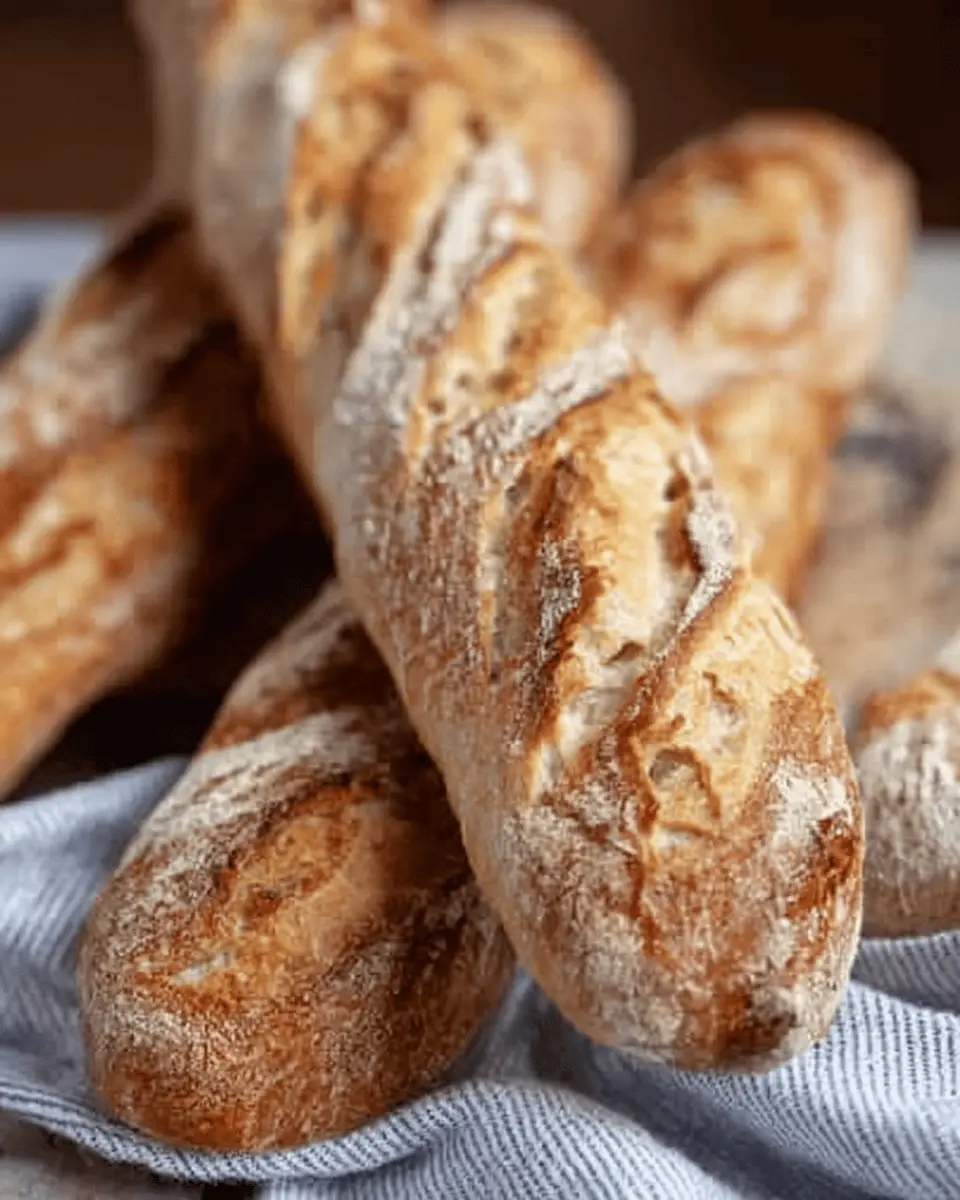
Ingredients for French Baguette Recipe
Essential ingredients for the perfect baguette
To create that classic French baguette with its irresistible crust and soft, airy interior, you'll need a handful of essential ingredients:
- Yeast: 8 grams of traditional yeast (or 2 teaspoons) is necessary to help the dough rise beautifully.
- Honey: A tablespoon of honey not only feeds the yeast but also adds a touch of sweetness.
- Warm Water: 1 ¼ cups of warm water is ideal; just make sure it’s not too hot to avoid killing the yeast.
- Salt: 1 tablespoon of fleur de sel enhances flavor; if you're using table salt, only a teaspoon will do.
- Flour: 2 ½ cups of bread flour (or all-purpose flour works well too) lend structure to your baguette.
- Olive Oil: A couple of tablespoons add moisture and flavor.
Check out more on the science behind these ingredients at King Arthur Baking.
Optional ingredient variations
While sticking to the essentials will yield a fantastic baguette, you can also personalize your loaf:
- Herbs: Adding dried herbs like rosemary or thyme can bring a delightful aroma.
- Seeds: Consider sprinkling sesame or poppy seeds on the crust before baking for added texture and flavor.
- Whole Wheat Flour: Substitute some white flour for whole wheat for a nuttier flavor and more nutrients.
Embrace experimentation to find what brings out the best in your French baguette recipe!
Step-by-step Preparation of French Baguette
Creating a perfect French baguette at home might seem like a daunting task, but it can be an incredibly rewarding experience. The warm, crusty texture, paired with the delightful aroma of freshly baked bread, makes it all worth it. Here’s a friendly guide to ensure you master this French baguette recipe like a pro!
Proof the yeast
The first step is to proof the yeast, which is essentially waking it up. In a mixing bowl, combine 1 ¼ cups of warm water with 8 grams of traditional yeast (or about 2 teaspoons) and 1 tablespoon of honey. Give it a gentle stir and let it sit for about 10 minutes. This process allows the yeast to bloom – you’ll notice it bubbling and rising to the surface. It's quite fascinating! If you have kids around, this is a fun science experiment to share.
Combine ingredients efficiently
Once your yeast is bubbly, it’s time to combine the ingredients. Add 1 tablespoon of fleur de sel and gradually incorporate 2 ½ cups of bread flour (all-purpose works fine too) and 2 tablespoons of olive oil into the mixture. Use a spatula to mix until a shaggy dough starts to come together. Don't be shy! Get in there with your hands to knead just enough to form a ball without overworking it. This step builds character, and trust me, you don’t need a fancy stand mixer for this recipe.
Let the dough rise for success
Dust the top of your dough with a little flour and cover it with a damp tea towel. My favorite tip, handed down from my grandma, is to use a warm, damp cloth that keeps the dough cozy. Place the bowl somewhere warm—like on top of your dryer—to let the dough rise until it doubles in size. This usually takes about an hour. The wait is worth it — during this time, the dough will develop incredible flavor!
Rolling out the baguettes with care
Now comes the artistic part: rolling out the baguettes. Start by sprinkling some flour on your countertop to prevent sticking. Take the first ball of dough and gently knead it until it feels firm. Flatten it into a rectangle using your hands—no rolling pin necessary!
Fold the top of the rectangle down as if you’re creating an envelope. Then, roll the folded dough gently into an oblong shape, pressing the seams as you go. The goal is to elongate it into about a 12-inch baguette. Don’t stress if your first try doesn’t look perfect; with practice, your technique will improve!
Score and prepare for baking
Once you have your beautiful baguettes formed, place them on a well-floured cookie sheet or baguette pan. Here’s where scoring comes in! Using a razor blade, sharp knife, or even kitchen scissors, make light cuts along the top of each baguette. These scores help the bread expand in the oven and create that signature crust.
Before baking, sprinkle some additional flour (and a pinch of fleur de sel for that extra flavor) over the bread. Allow them to rise uncovered for another 30 minutes while your oven preheats.
Baking the baguettes to perfection
Preheat your oven to 460 degrees Fahrenheit while your baguettes are rising. Place a 9-inch pan filled halfway with water on the bottom rack to create steam, which is crucial for achieving that crackly crust we all love. Bake your baguettes for about 25 minutes. However, do keep a close eye on them! Around the 18-minute mark, check for that perfect golden brown color and hollow sound when tapped.
If they look too dark, lower the rack and bake a few minutes less. The goal is a crust that's deeply golden but not burnt—a challenging but rewarding balance to find.
Voilà! Once your baguettes are cool, slice into them, and enjoy the simple pleasure of homemade bread with your favorite spreads or soups. Remember, every loaf is an experiment—have fun and embrace the process!
For more tips on baking bread perfectly, check out these resources on baking skills or explore more bread recipes to expand your skills. Happy baking, and enjoy creating your own slice of French culinary art!
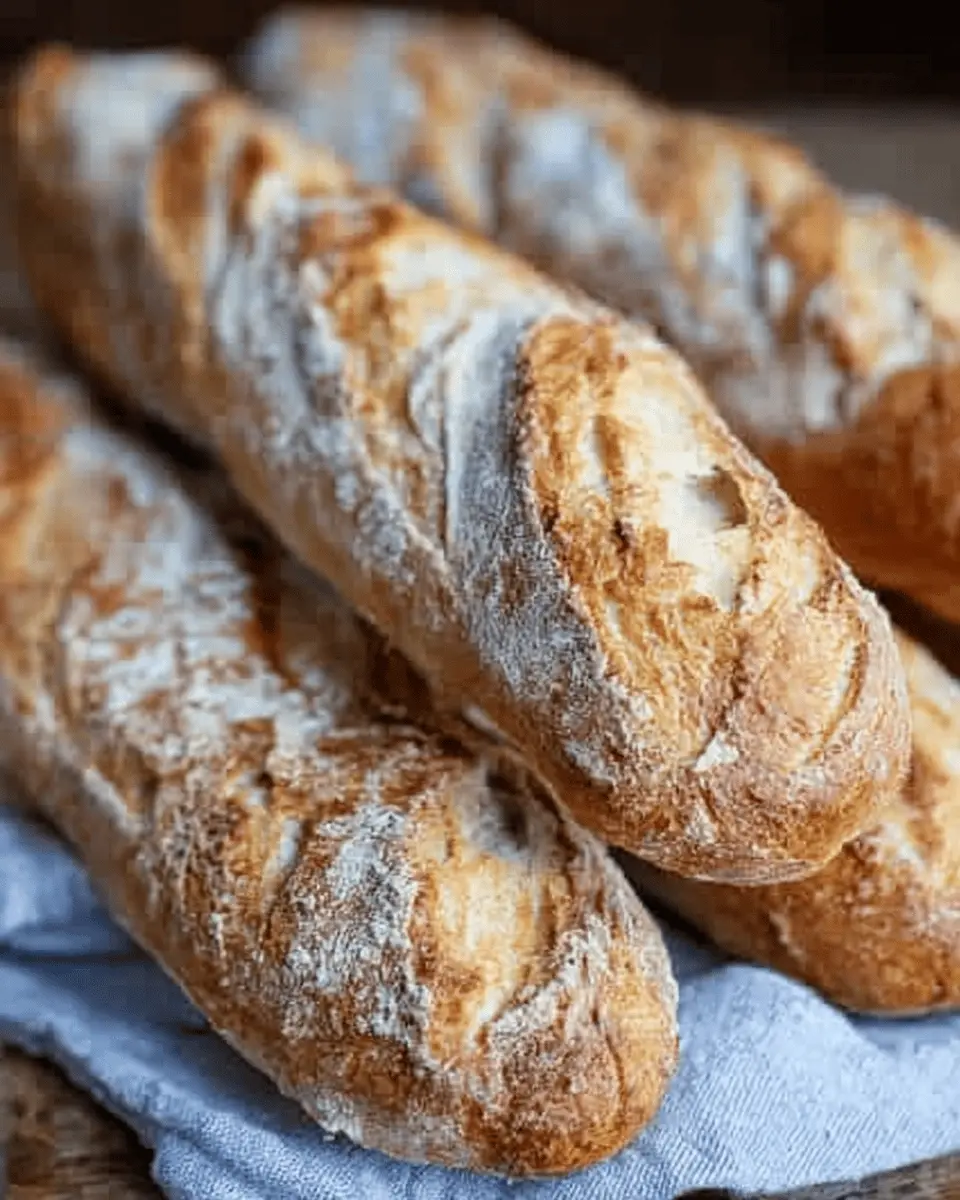
Variations on French Baguette
Whole Wheat Baguette Alternative
For a nutritious twist on the classic French baguette recipe, consider using whole wheat flour instead of white flour. Whole wheat baguettes are not only heartier but also pack in more fiber, making them a healthier option. You can mix about half whole wheat flour with half bread flour to retain some of that signature crispy crust while still enjoying the nutty flavor of whole grains. Don’t forget that the dough may take a tad longer to rise, so be patient and keep an eye on it!
Flavored Baguette Options
Why stick to the traditional flavor when you can experiment? Adding fresh herbs like rosemary or thyme can elevate your French baguette into a savory delight. For something sweeter, try incorporating honey or even a blend of dried fruits and nuts; imagine bites of chewy figs or crunchy walnuts when you're enjoying your loaf! You can also whisk in some grated cheese or spices like garlic powder for an aromatic touch sure to impress your guests. The possibilities are endless, so get creative and delight in your personal twist on this beloved bread!
Cooking Tips and Notes for French Baguette
Tips for First-Time Bakers
Making your own French baguette can be daunting, but it’s rewarding! Start by measuring your ingredients accurately and proofing the yeast properly. If you're unsure how to do this, check out resources like King Arthur Baking for helpful visual guides. Don’t rush the rising times; patience yields the best flavor and texture.
Common Mistakes to Avoid
Avoid overworking the dough, as this can make your baguette dense rather than airy. Remember to dust your surfaces with flour, especially in humid environments, to prevent sticking. And don’t skip scoring the dough—this allows the baguette to expand while baking. Keep an eye on the baking process to avoid burning; remember, every oven behaves differently, so adjusting your cooking time is key!
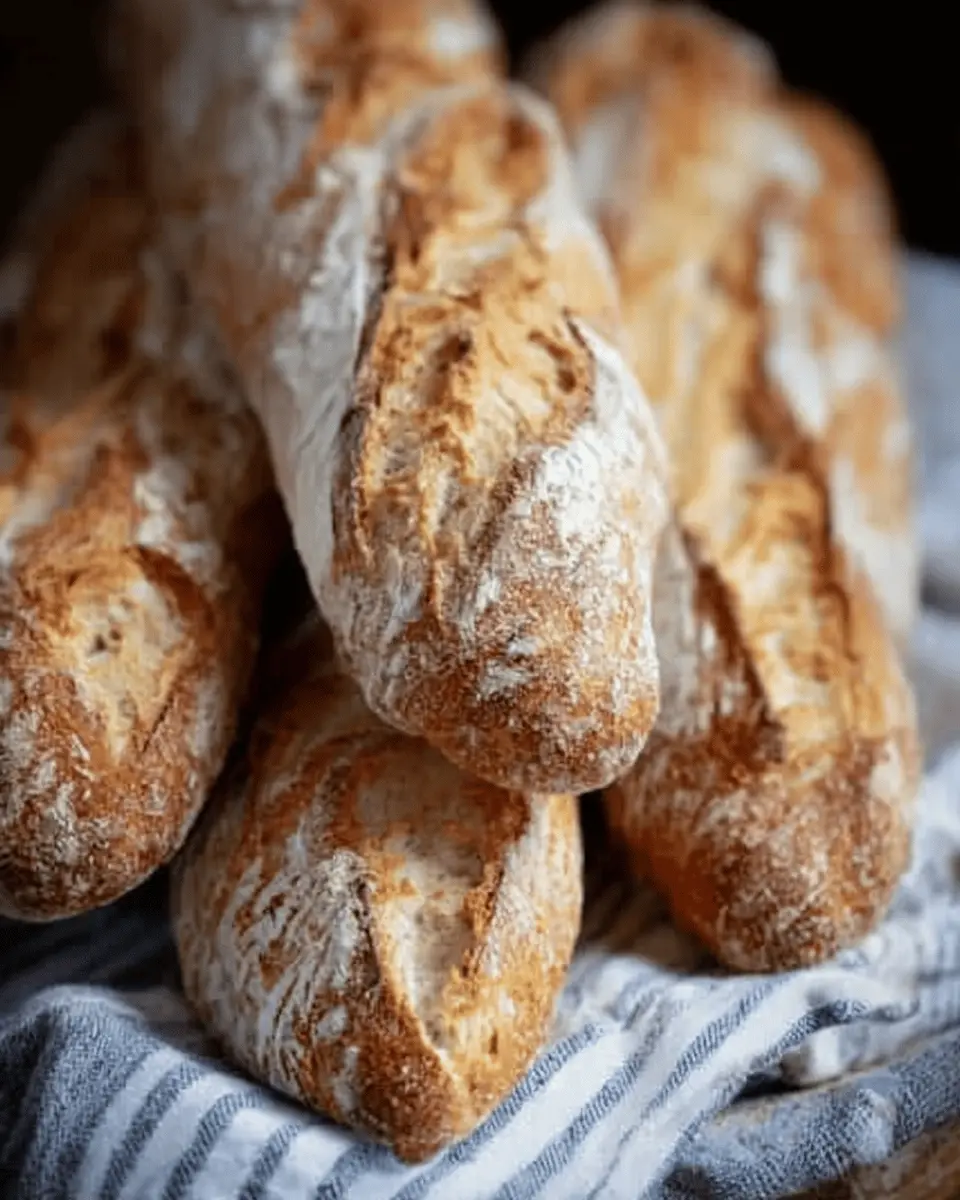
Serving Suggestions for French Baguette
Perfect Pairings with Homemade Baguette
Nothing complements a freshly baked French baguette like a spread of butter, especially if you opt for sea salt butter to enhance the flavor. For a full meal, pair your baguette with savory chicken ham and creamy brie. Add a crisp salad or your favorite soup for a delightful lunch. If you’re leaning towards a more casual experience, create a delicious Turkey Bacon sandwich with fresh tomatoes and avocado. The crunchy crust of the baguette ties everything together beautifully, elevating each bite.
Creative Ways to Enjoy Baguettes
Get inventive with your baguette! Transform leftover slices into crostini by toasting them with olive oil and your choice of toppings, such as goat cheese and roasted peppers or a classic tomato-basil blend. Another fun idea is to make baked French toast—simply dip baguette slices in a mixture of eggs, milk, and cinnamon, then bake until golden. Serve with maple syrup or a sprinkle of powdered sugar for an indulgent breakfast. Discover more inspiration for creative toast concoctions at Food Network.
With these serving suggestions, your French Baguette Recipe will surely shine at the dining table!
Time Breakdown for French Baguette
When planning to bake your homemade French baguettes, it's helpful to break down the overall time commitment. Here’s a simple overview:
Preparation Time
Allow about 10-15 minutes to gather your ingredients, proof the yeast, and mix your dough. This step sets the foundation for successful baguettes.
Rising Time
You'll want to give your dough some love with 1 hour for the first rise. Once shaped, allow an additional 30 minutes for the baguettes to rest before baking. This is essential for that perfect texture!
Baking Time
Finally, the baking takes approximately 25-30 minutes. Keep an eye on them to achieve that beautiful golden crust. Enjoy the delicious aroma filling your kitchen as they bake!
For more about the nuances of baking, check out King Arthur Baking for tips and tricks. Happy baking!
Nutritional Facts for French Baguette
Calories
A typical serving of homemade French baguette (about 1 ounce) contains approximately 80 calories. This makes it a delightful treat that can fit into most moderate diets. Enjoy it as a side to your meal without the guilt!
Carbohydrates
Each ounce of French baguette packs about 15 grams of carbohydrates. While it’s not a low-carb option, the complex carbs from bread provide energy for your day. Pair it with protein-rich toppings, and you’ve got yourself a balanced snack.
Protein
For every ounce of French baguette, you'll find around 2 grams of protein. Though not a significant source, it does contribute to your overall daily intake. Consider adding your favorite spreads or toppings like turkey bacon or chicken ham to boost the protein content for a satisfying meal.
For more detailed nutritional analysis, you can refer to resources like the USDA FoodData Central for a comprehensive breakdown of ingredients used in this recipe. Looking for variations? Consider trending accompaniments like nut butters or fresh veggies to add extra nutrients while enjoying your delicious creation!
FAQs about French Baguette
What is the ideal temperature for proofing?
For your French baguette recipe, aim for a comfortably warm environment around 75°F to 80°F (24°C–27°C). This temperature helps the yeast awaken and thrive, resulting in a beautifully risen dough. If you don't have a warm spot, try placing your bowl in the oven with the light on, or on top of a warm appliance like a dryer.
How do I store leftover baguette?
To maintain the crusty exterior and soft inside of your baked baguette, store it at room temperature in a paper bag to allow airflow. Avoid plastic wrap, as it can make the crust soggy. If you want to keep it longer, slice your baguette, then place it in a paper bag before sealing it in a plastic bag for extra protection.
Can I freeze homemade baguette?
Absolutely! For optimal freshness, wrap your baguette tightly in plastic wrap and then place it in a freezer bag. This method keeps it well-protected. When you’re ready to enjoy your baguette, simply thaw it at room temperature or pop it in the oven at 350°F (175°C) for a few minutes, and you’ll revive that delightful crust!
Conclusion on French Baguette Recipe
Making your own French baguettes is not just a culinary endeavor; it's an experience that connects you to tradition and creativity. With practice and a little patience, you’ll enjoy the delicious aroma wafting through your kitchen. So, why not share the joy? Bake some baguettes today!
For more delightful baking tips, check out King Arthur Baking for expert advice!
French Baguette Recipe
Equipment
- Mixing Bowl
- Cookie Sheet
- baguette pan
- kitchen scissors
- spatula
Ingredients
- 8 grams traditional yeast or 2 teaspoons
- 1 tablespoon honey natural honey worked better than the squeezable one
- 1.25 cups warm water not too hot - just wake it up
- 1 tablespoon fleur de sel if using table salt, use only a teaspoon
- 2.5 cups bread flour all purpose flour works fine
- 2 tablespoons olive oil
Instructions
- Proof the yeast with the honey and warm water by stirring and letting it sit for 10 minutes.
- Add salt, slowly add flour and olive oil until a shaggy dough forms.
- Cover the dough and let it rise until doubled in size, about an hour.
- Knead the dough, flatten it, and shape it into baguettes.
- Let the shaped baguettes rise again for 30 minutes while preheating the oven.
- Bake baguettes at 460 degrees for 25 minutes, checking after 18 minutes.



Leave a Reply