
Introduction to Homemade Pizza Dough
Why Homemade Pizza Dough is a Game-Changer
Imagine having the aroma of freshly baked pizza wafting through your kitchen at any moment. With homemade pizza dough, that dream can become a delicious reality. Preparing your own pizza dough is a fantastic way to save time, money, and even calories, all while indulging in a versatile meal that you can customize according to your mood.
When you make your pizza dough from scratch, you control the ingredients, and nothing beats the taste of fresh dough. According to renowned chefs, homemade dough offers a texture and flavor that store-bought options simply can’t compete with. Plus, you can get creative with seasonings and toppings, making each pizza uniquely yours.
By preparing a batch of this freezer-friendly dough, you can ensure that a pizza night is just a quick thaw away, making weeknight dinners less stressful. Just think about it: No more last-minute takeout orders when hunger strikes. With our easy recipe, having homemade pizza dough ready to go means you can whip up a delicious meal anytime.
Ready to start your pizza adventure? Let’s dive into the recipe!
Ingredients for Homemade Pizza Dough
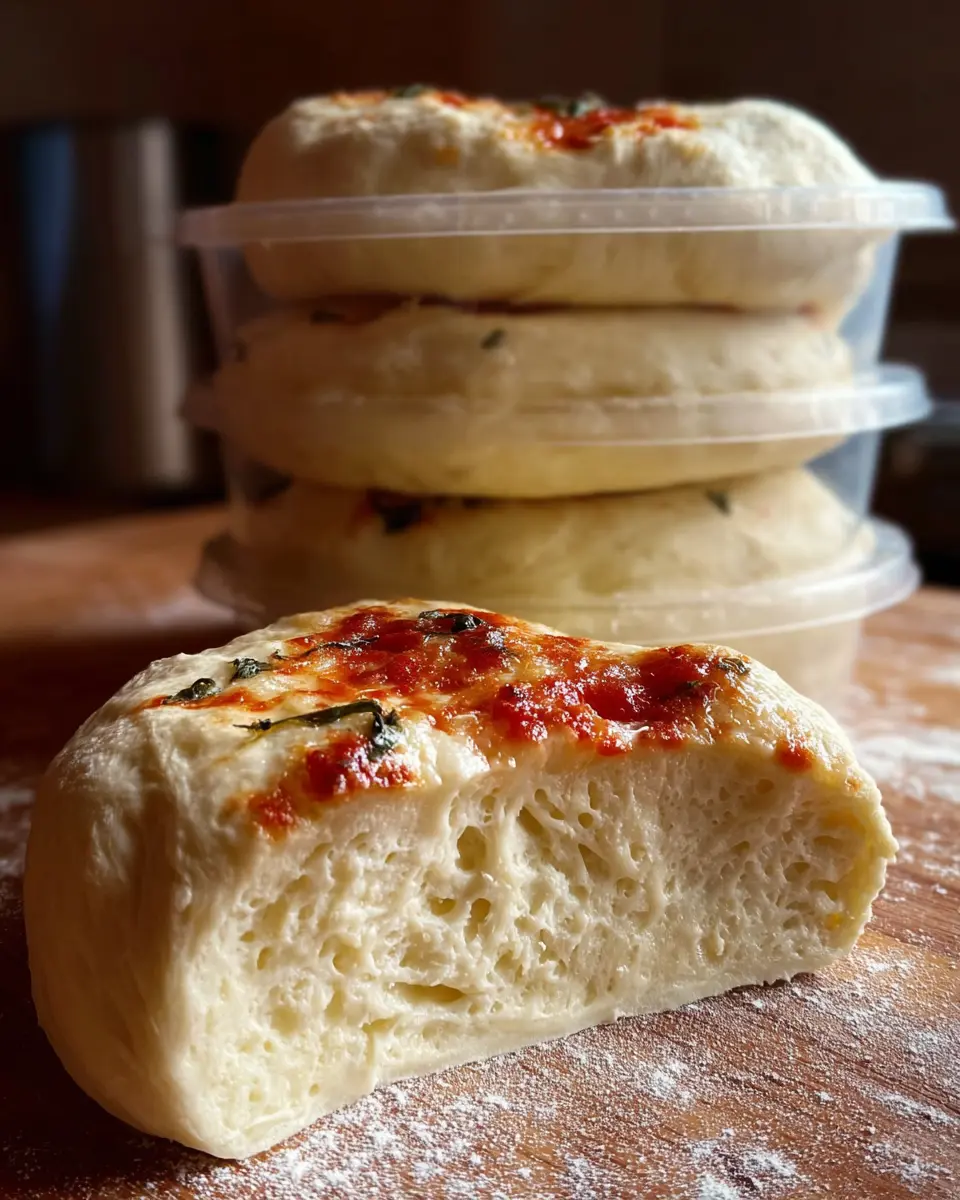
Essential ingredients for a perfect pizza dough
Creating the ideal homemade pizza dough starts with a few key ingredients. Here’s what you'll need:
- Bread Flour: This is vital for structure and chewiness, providing that delightful crust.
- Sourdough Starter: Adds a depth of flavor and texture, enhancing the overall dough.
- Water: Hydration is essential; use warm water for activating your starter.
- Olive Oil & Lard: These fats not only enrich the dough but also create a tender crust.
- Sugar: A little bit of sweetness helps balance flavors and aids in browning.
- Salt: Essential for flavor; it also strengthens the gluten network.
Optional ingredients for customization
Feel free to personalize your dough! Consider adding:
- Herbs or Spices: Dried oregano, garlic powder, or even chili flakes can elevate your dough.
- Whole Wheat Flour: Swap out some bread flour for whole wheat for a nuttier taste.
- Honey or Maple Syrup: Replace sugar for a natural sweetener that adds unique flavor.
These optional ingredients allow you to craft your homemade pizza dough exactly how you like it! Don't hesitate to experiment; after all, pizza night should be fun!
For tips on ingredient sourcing, check out King Arthur Baking for high-quality flour suggestions.
Preparing Homemade Pizza Dough
Making homemade pizza dough doesn't have to be a daunting task. With a bit of practice and the right structure, you can create delicious pizza dough ready to be transformed into a culinary masterpiece. Let's dive into the process of preparing homemade pizza dough that you'll cherish for those spontaneous pizza nights!
Gather and measure your ingredients
To kick off your pizza dough-making adventure, you'll need to gather all your ingredients. This includes:
- Bread flour
- Sourdough starter
- Water
- Olive oil
- Lard (or a substitute fat)
- Sugar
- Salt
Measuring precisely is key to achieving the right texture. Use a kitchen scale for the best results, as different measuring methods can lead to inconsistencies in your dough. Once you've got everything ready, you’ll feel prepared and confident to tackle the next steps.
Mix the ingredients effectively
In a large mixing bowl, combine all your measured ingredients. Use a sturdy spatula or your hands to mix everything until it resembles a shaggy dough. Allowing the dough to rest for about 20 minutes, known as the autolyse process, helps the flour absorb the liquid and promotes gluten development. You can learn more about the science behind this process on King Arthur Baking.
Master the stretch and fold technique
Now comes the fun part: the stretch and fold technique! Every 20 minutes for the next two hours, you’ll incorporate this method to develop the dough's structure. Simply grab the edge of the dough, stretch it up, and fold it over itself. This gentle method strengthens the gluten without aggressive kneading. Don’t worry if it feels a little sticky; it’s part of the process!
Ferment and build flavor
After completing your stretch and fold sets, let the dough ferment for an additional two hours at room temperature. This slow fermentation allows for flavor to develop and enhances the overall taste of your homemade pizza dough. You’ll notice it puffing up and becoming airy—a sign that it’s working its magic!
Portion and shape the dough
Once your dough has fermented, it’s time to divide it into portions. Aim for 280–300 grams each. This portion size is perfect for individual pizzas. Lightly shape each portion into a smooth ball, which helps with gluten tension and structural integrity. A clean and gentle approach ensures pizzaiolo-worthy dough.
Properly store your dough for later use
After shaping, it’s essential to store your dough correctly for later use. Place each ball in lightly oiled plastic containers, seal them, and pop them in the freezer. This way, whenever the pizza craving strikes, you can pull out a perfectly portioned dough and bake it to perfection! Just remember to thaw it in the fridge overnight before use for the best texture.
By following these steps, you’ll be well on your way to creating delicious, homemade pizza dough that you can enjoy at any time!
Variations on Homemade Pizza Dough
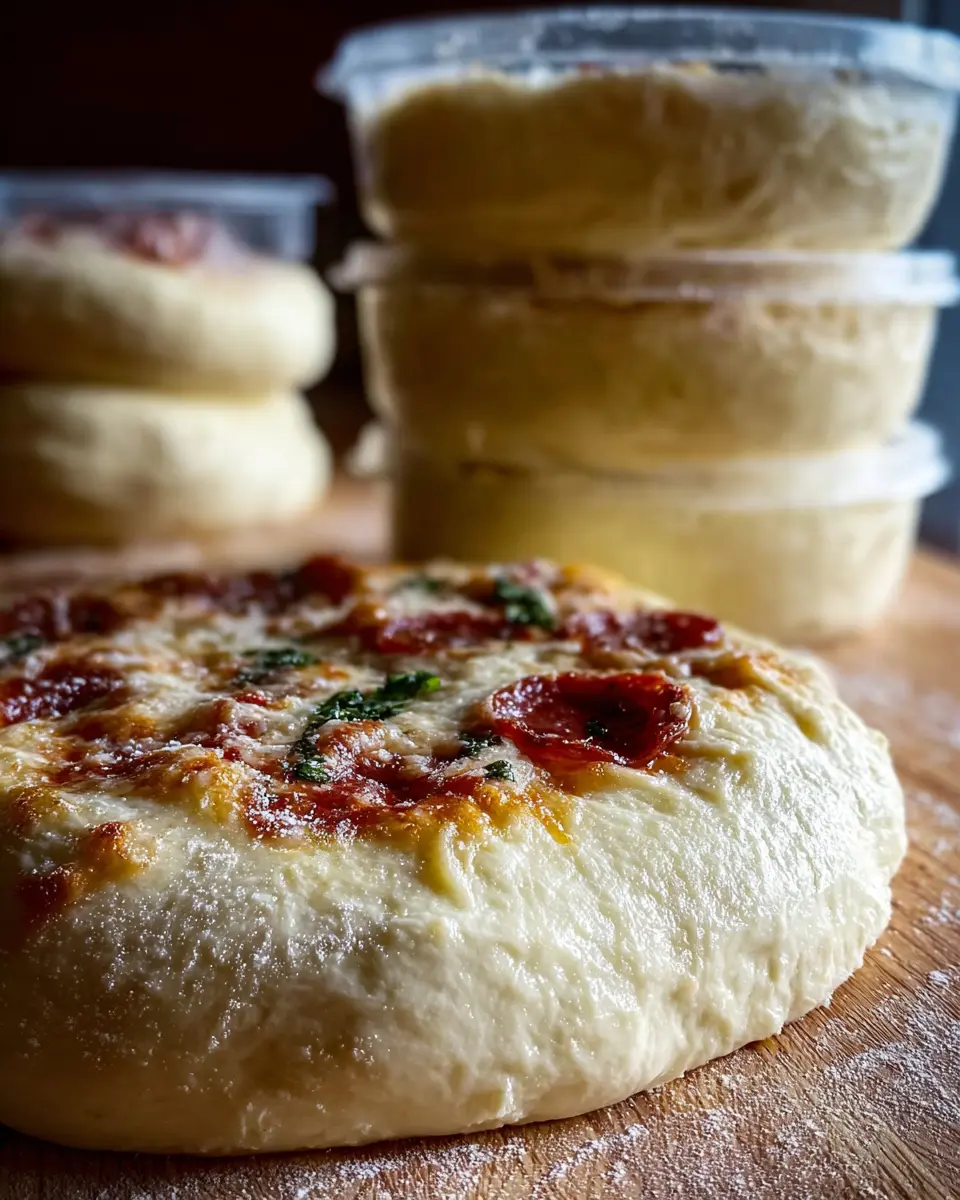
Elevate your homemade pizza dough by exploring these delightful variations!
Whole Wheat Pizza Dough for a Healthier Twist
If you’re looking to craft a nutritious pizza, consider using whole wheat flour instead of all-purpose flour. This alternative not only boosts fiber content but also adds a lovely, nutty flavor to your crust. To make a whole wheat version, substitute around half of the bread flour in your recipe for whole wheat flour. You may want to slightly reduce the water, as whole wheat flour absorbs more moisture.
Herb-Infused Dough for Extra Flavor
Imagine the aroma of fresh herbs wafting through your kitchen! Adding dried herbs like oregano, basil, or even garlic powder to your homemade pizza dough can create a delightful flavor profile. Simply mix in about 1 to 2 teaspoons of your favorite dried herbs during the initial mixing stage. This twist adds an extra layer of taste, making every slice a memorable one. Plus, it’s a fantastic way to impress friends and family.
For more tips on enriching your pizza experience, check out sources like the American Institute for Cancer Research for insights on healthier cooking methods!
Baking Notes for Homemade Pizza Dough
Tips for Achieving the Best Crust
For a perfectly crisp crust, consider these handy tips. Use bread flour for a chewier texture, and don’t skip the stretch and fold technique during fermentation—it develops gluten and enhances elasticity. Additionally, let your dough rise in a warm, draft-free spot to maximize flavor and texture. Preheat your oven well, as a hotter environment is crucial for that golden-brown finish.
Recommended Baking Temperatures and Techniques
Baking your homemade pizza dough at a temperature of 475°F to 500°F will yield the best results. Use a pizza stone or steel if you have one, as these help retain heat and create a beautiful crust. Bake until the cheese is bubbly and the edges are crispy, typically about 10 to 15 minutes. For tips on pizza baking techniques, check out Serious Eats. Happy baking!
Serving suggestions for Homemade Pizza Dough
Top toppings to elevate your pizza experience
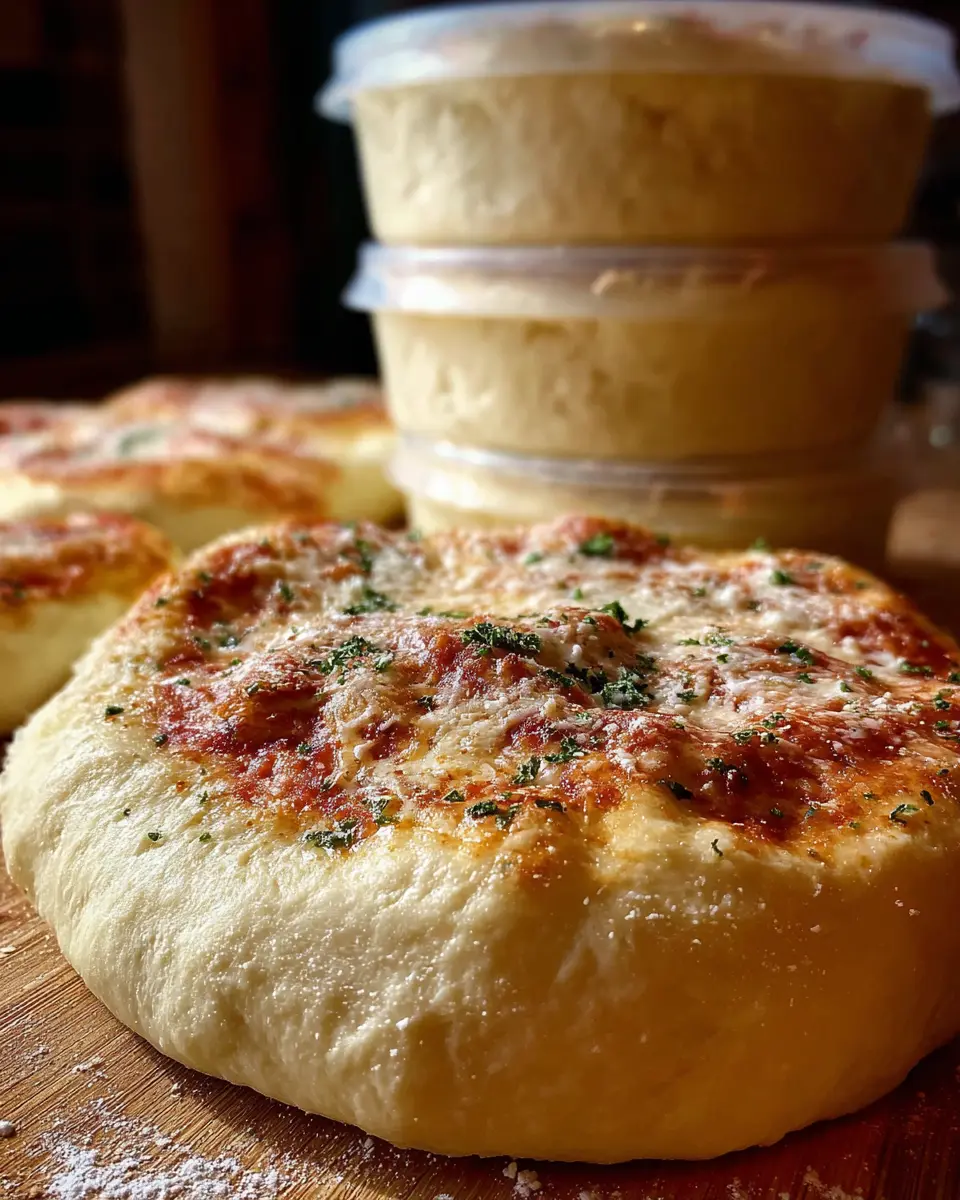
Using this homemade pizza dough opens up a world of topping possibilities. Here are some favorites to consider:
- Fresh Basil and Margherita: Top with fresh mozzarella, tomatoes, and basil for a classic delight.
- Turkey Bacon and Spinach: Crispy turkey bacon paired with fresh spinach and a drizzle of ranch makes for a savory treat.
- Chicken Ham and Pineapple: A sweet and salty combination that’s always a crowd-pleaser.
- Buffalo Chicken: Shredded buffalo chicken, drizzled with ranch or blue cheese dressing, adds a spicy kick.
Pairing ideas for a complete meal
To complement your homemade pizza dough, think about serving your pizza with some delightful sides. A fresh green salad pairs well, providing a nice crunch and balance. You could also whip up a batch of garlic breadsticks or bruschetta for that Italian touch. And don’t forget about beverages! A sparkling water or homemade lemonade can refresh your meal perfectly. Experiment with these ideas, and tailor your pizza night to your taste! For more inspiration, check out this pizza pairing guide for some creative combos!
Time Breakdown for Homemade Pizza Dough
Preparation time
Getting started with your homemade pizza dough is a breeze! It takes just 20 minutes to mix and rest your ingredients, setting the stage for deliciousness.
Fermentation time
The dough's flavor develops beautifully during the fermentation process, which takes an additional 2 hours. This step allows the natural yeast and bacteria from your sourdough starter to work their magic.
Total time
All in all, you're looking at a total of 2 hours and 20 minutes from start to finish. And remember, once you have this dough prepped and stored in the freezer, you'll have the convenience of fresh pizza dough whenever cravings strike!
For an in-depth look at dough techniques, check out this article from Serious Eats – it’s packed with tips!
Nutritional Facts for Homemade Pizza Dough
Calories per Serving
One serving of homemade pizza dough (approximately 280-300 grams) contains around 625 calories. This means you can indulge in a hearty pizza without feeling too guilty when you keep portions in check!
Key Nutrients of Homemade Dough
This homemade pizza dough is not just tasty; it's also packed with essential nutrients! Here are the key highlights:
- Carbohydrates: The primary source of energy, important for fueling activities.
- Protein: Essential for muscle repair and growth, thanks to the bread flour.
- Healthy Fats: Olive oil and lard contribute to your daily fat intake while enhancing flavor.
- Sodium: Moderate levels from salt help balance hydration and blood pressure.
For a deeper understanding, you can check out the benefits of whole grain flour for added nutrition!
FAQs about Homemade Pizza Dough
Can I use all-purpose flour instead of bread flour?
Absolutely! While bread flour gives your homemade pizza dough a chewy texture thanks to its higher protein content, all-purpose flour can work just as well. It will yield a slightly softer crust, which many enjoy. If you prefer a bit more structure, consider mixing them for a balanced approach.
How long can I store the pizza dough in the freezer?
Your homemade pizza dough is a fantastic meal prep option! You can store it in the freezer for up to three months. Just be sure to wrap it well in plastic wrap or use airtight containers to prevent freezer burn. When you're ready to use it, transfer it to the fridge overnight for a slow thaw.
What are common mistakes to avoid when making pizza dough?
Here are a few tips to ensure your dough turns out perfectly:
- Don’t rush the fermentation: Proper fermentation develops flavor and texture.
- Measure accurately: Baking is a science, so weighing ingredients can make a big difference.
- Kneading: Over-kneading can lead to tough dough—stop when it's smooth and elastic.
For more tips on pizza-making, check out this expert guide for even deeper insights!
Conclusion on Homemade Pizza Dough
Creating your own homemade pizza dough not only saves time but also opens the door to a world of culinary creativity. Experiment with various toppings, sauces, and seasonings to personalize your pizza night. Embrace the joy of cooking and get ready to savor delicious, customized pizza!
Homemade Freezer-Friendly Pizza Dough
Equipment
- Mixing Bowl
- Plastic containers
Ingredients
Dough Ingredients
- 1000 g bread flour
- 200 g sourdough starter
- 750 g water
- 30 g olive oil
- 30 g lard can be substituted for another fat
- 60 g sugar
- 20 g salt
Instructions
Dough Preparation
- Combine all ingredients in a large mixing bowl and let rest for 20 minutes.
- Perform the stretch and fold process every 20 minutes for 2 hours, completing six sets.
- Allow the dough to ferment for an additional 2 hours at room temperature.
- Divide the dough into portions weighing 280–300 grams.
- Roll each portion into a smooth ball and place in lightly oiled plastic containers.
- Seal the containers and place them in the freezer.




Leave a Reply